


Nigeria has recorded a surprising shift in its oil sector, marking a major turning point for the economy. For the first time in years, petrol exports have slightly exceeded imports.
The development, recorded in March 2026, signals a new phase for a country long known for fuel shortages.
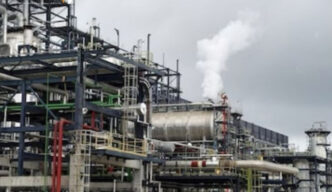
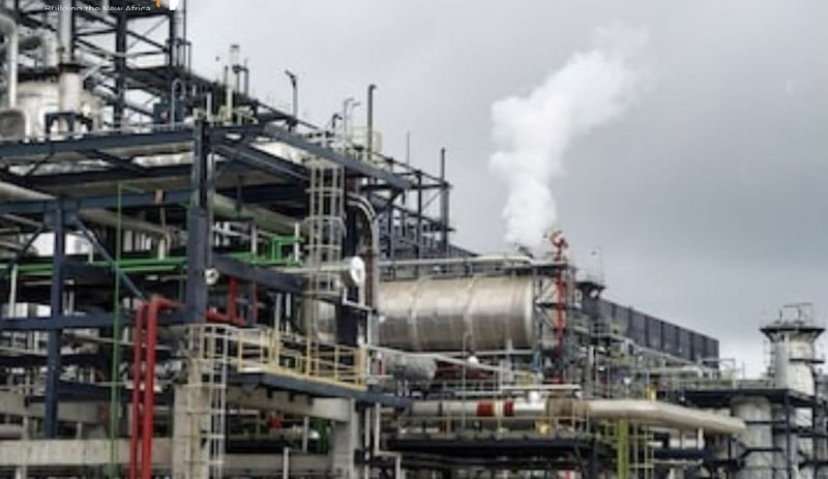
Moreover, the shift has been largely powered by the Dangote Petroleum Refinery, which is reshaping the downstream oil sector.
According to data from Kpler, about 44,000 barrels per day of petrol were exported during the month. Meanwhile, imports stood at around 41,000 barrels per day. This left a modest surplus of roughly 3,000 barrels per day. For years, Nigeria depended heavily on imported fuel due to weak local refining.
However, that trend is now being reversed as domestic production increases steadily.
Crude supply to the Dangote refinery rose significantly during the same period. It reached about 565,000 barrels per day, one of the highest levels recorded so far.
In addition, imports dropped sharply, hitting their lowest levels ever.
Meanwhile, the refinery has started expanding into international markets. In March, a 317,000-barrel petrol shipment was sent to Mozambique.
Furthermore, another export cargo is expected to be delivered in April. This suggests that Nigeria is gradually becoming a key player in regional fuel trade.
East African countries are also adjusting their supply sources. Traditionally dependent on the Middle East, they are now exploring new suppliers.
However, global supply disruptions and shipping risks have encouraged this diversification.
Moreover, reduced imports mean fewer dollars are needed, strengthening financial stability. Energy security is also improved as supply becomes more localised.
At the same time, Nigeria’s entry into export markets may increase global competition. European markets, already well supplied, could feel additional pressure.