

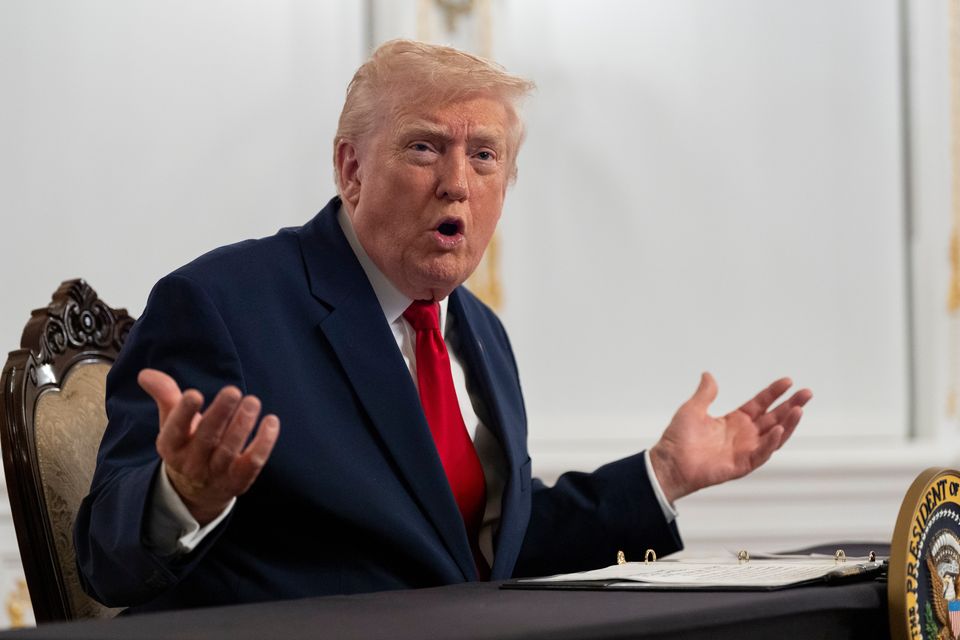
President Donald Trump is considering new travel restrictions that could prevent heavily pregnant foreign women from entering the United States.
The proposal comes just days after the U.S. Supreme Court blocked his administration’s attempt to end automatic birthright citizenship, setting the stage for another major immigration debate.
The move has sparked discussions over immigration policy and border security. Moreover, it signals that the Trump administration is exploring new legal options after suffering a setback at the nation’s highest court.
The proposed policy is aimed at tackling what the administration describes as birth tourism, a practice where foreign nationals travel to the United States during the final stages of pregnancy so their children can automatically become American citizens.
Meanwhile, White House officials insist the administration remains committed to protecting what they describe as the value of U.S. citizenship.
According to senior White House adviser Stephen Miller, the administration is reviewing measures that could prevent pregnant visitors from entering the country if officials believe they intend to give birth in the United States.
Speaking on the issue, Miller said, “You have to now think very carefully about who you let into your country, even on a temporary basis because of the possibility for birth tourism.”
Furthermore, he argued that the government must carefully examine temporary travel arrangements that could eventually lead to permanent citizenship rights.
According to Miller, “There are a lot of things we need to have a hard look at.”
He maintained that women who enter the country shortly before childbirth create “a lifetime American citizen” who may later qualify for government benefits.
Meanwhile, White House spokeswoman Abigail Jackson reaffirmed President Trump’s position on the issue.
She stated that the President remains “totally committed to protecting the value of natural-born American citizenship.”
In addition, Jackson disclosed that President Trump has directed Congress to take immediate action regarding birth tourism.
She also revealed that the Department of Justice would prioritise investigations into organised birth tourism schemes operating within or outside the United States.
Furthermore, Department of Homeland Security chief Markwayne Mullin supported possible restrictions on pregnant travellers.
According to Mullin, some foreign visitors intentionally travel to the United States during the final weeks of pregnancy before returning to their home countries after giving birth.
He argued that the growing trend could create broader national security concerns if left unchecked.
However, immigration experts expect any new travel restrictions to face legal scrutiny.
Moreover, civil rights groups are expected to closely monitor any policy affecting pregnant women entering the country.
The renewed debate follows Tuesday’s Supreme Court decision that struck down President Trump’s executive order seeking to deny automatic citizenship to children born in the United States whose parents are either in the country illegally or temporarily.
The ruling represented a significant legal setback for one of the administration’s key immigration priorities.
Consequently, the White House now appears to be shifting its attention toward preventing birth tourism rather than directly challenging birthright citizenship through executive action.
The Trump birth tourism policy is expected to remain at the centre of national debate as lawmakers, legal experts and immigration advocates continue examining the proposal.
Meanwhile, supporters argue the move would protect the integrity of American citizenship and reduce abuse of the immigration system.