


For more than a decade, Zenith Medical and Kidney Centre has built its name around specialised kidney care in Nigeria.
The story began on June 1, 2011, when the hospital opened its doors with a clear focus on kidney treatment.
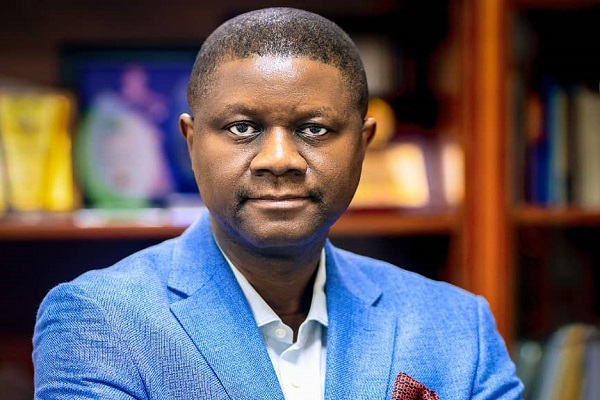
In an exclusive interview with Priscimedia, Dr. Olatise Olalekan Olayinka, Consultant Physician, Nephrologist, Transplant Physician and CEO of Zenith Medical and Caring Centre, recalled the hospital’s early days.
According to him, the centre started from a rented two-storey building in Garki, Abuja.
Its first goal was simple but ambitious: provide quality kidney care in Nigeria and reduce the need for Nigerians to seek treatment abroad.
“We started out as a kidney care hospital. The whole idea or the plan then was to bring back good healthcare to a country, Nigeria. Bring that standard back home.”
Dr. Olatise said he wanted to build a strong centre around kidney care because he saw a major gap in the Nigerian health system, at the time, many Nigerians travelled to countries such as India, the United States, Canada and Australia for renal treatment; he believed Nigeria had the medical talent to develop solutions for its own healthcare challenges.
“I wanted to really carve a niche in the area of kidney care. And that is why we set up Zenith Medical and Kidney Center.”
Dr. Olatise said Zenith Medical and Kidney Centre is now expanding with a 250-bed facility to meet rising demand, as patients arrive from across Nigeria and neighbouring countries. He noted that patients from Chad, Benin Republic, the United States and the United Kingdom also return to Nigeria monthly to seek kidney care at Zenith.
The centre gradually expanded beyond its original focus, Kidney dialysis and renal replacement therapy formed the foundation of its services, while kidney transplantation was introduced four years after the hospital began operations.
Today, the hospital has added several other areas of medicine. These include obstetrics and gynaecology, paediatrics, general surgery, cardiology, ENT, pathology, radiology, dentistry and ophthalmology.
The centre has also developed training programmes in nephrology and radiology.
Its kidney-care work has attracted patients beyond Nigeria, while its medical team has also taken part in international training and research.
Published medical research lists Dr. Olatise and other clinicians at Zenith Medical and Kidney Centre among the authors of studies on kidney transplantation and renal care. (PubMed Central (PMC))
However, the growth of one hospital does not solve the wider problem facing millions of Nigerians. For Dr. Olatise, one of the biggest challenges remains the cost of healthcare, specialised treatment can place a heavy financial burden on families, particularly when patients need long-term care.
Kidney treatment is a clear example: dialysis, investigations, surgery, transplantation and medicines can require large sums of money.
When families cannot meet those costs, some patients turn to public appeals for help.
Dr. Olatise believes Nigeria needs to move away from a system where families must carry most of the burden themselves.
His solution is stronger health insurance in Nigeria, Dr. Olatise said the government must increase funding for health insurance and raise its investment in the health sector.
“We need to strengthen our health insurance scheme. More funding for the health insurance. The government needs to play a role.”
He also argued that Nigeria needs to devote more of its annual budget to healthcare.
According to him, stronger funding would help reduce the number of Nigerians who depend on personal savings when serious illness strikes.
“Countries talk about 12%, 15% of their annual budget on healthcare for the health sector. So we are barely able to achieve 4% in Nigeria. Barely most times it’s below that.”
For him, the issue goes beyond hospital bills.
It is about creating a system where access to medical care does not depend mainly on how much money a patient has.
“So we need to increase funding in the area of health insurance. So that people don’t have to pay out of pocket.”
This is particularly important for patients with long-term conditions, a person who needs repeated treatment cannot always depend on family members, friends or public donations.
Insurance can provide a more stable way of spreading healthcare costs across a wider population.
Why Health Insurance Matters for Kidney Care
Kidney disease shows why the debate over health insurance coverage has become increasingly important.
According to Dr. Olatise, kidney disease is becoming more common in Nigeria. He linked the growing problem to risk factors including diabetes, hypertension, smoking, and inactive lifestyles.
The challenge is that kidney disease may not show clear signs during its early stages, some patients only discover the problem after their condition has become serious by then, treatment can become more complex and expensive.
Dr. Olatise explained that some patients may develop swelling, tiredness, breathlessness, itching or other symptoms as the disease progresses. He therefore stressed the importance of medical checks and early attention to warning signs but early diagnosis alone cannot solve the problem if patients cannot afford treatment.
That is where health insurance in Nigeria becomes critical. A stronger insurance system could help patients access medical services earlier.
It could also reduce the financial shock that comes with serious illness.

The Cost of Kidney Transplant Treatment
Kidney transplantation is another area where healthcare financing becomes important, Dr. Olatise explained that the transplant process can take about four to 12 weeks on average.
However, compatibility issues, underlying health conditions and other medical factors can delay treatment.
Funding can also become a major obstacle. He noted that some patients may be medically prepared for transplantation but still lack the money required to proceed.
“Sometimes funding is also a problem. They are ready, but they don’t have the funds.”
He added that kidney care is expensive globally and argued that governments in other countries support such treatment.
“That’s why governments in other parts of the world are funding kidney care.”
For Nigeria, he wants the national health insurance system to become strong enough to cover more specialised treatment.
He believes that would reduce the number of patients forced to seek financial assistance before receiving care.
A Bigger Target for Nigeria
Dr. Olatise believes Nigeria should think beyond limited insurance access. He called for a major expansion of national health insurance coverage across the country.
“If we can get at least 80% coverage in this country, that would be remarkable.”
For him, wider coverage should go together with increased government funding for healthcare.
He also believes stronger financing could help private hospitals improve their facilities and expand specialised services.
This approach, he argued, could create a stronger healthcare system while giving more Nigerians access to quality treatment.