

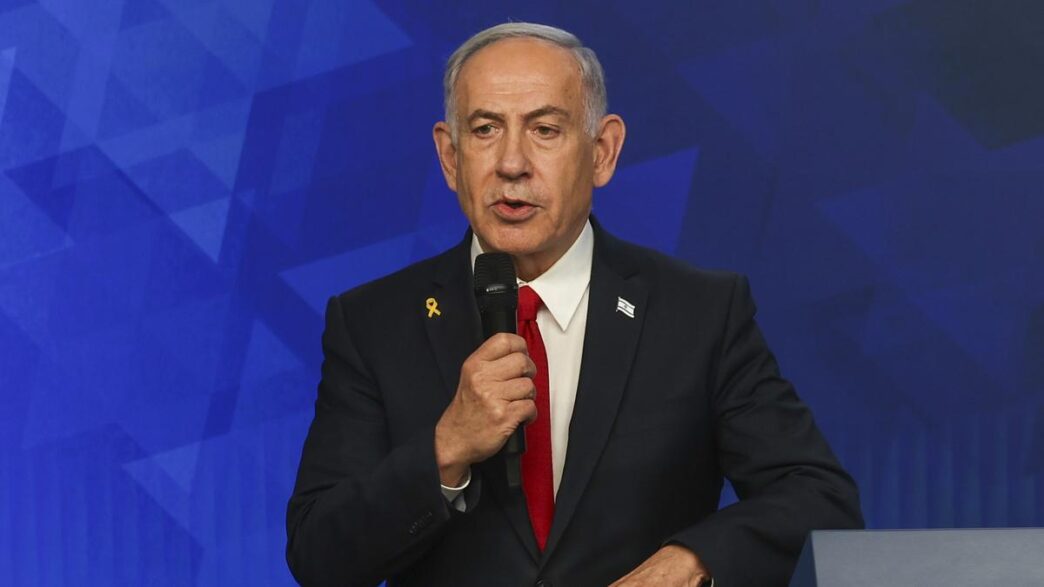
Israeli Prime Minister Benjamin Netanyahu has lost his parliamentary majority, creating fresh uncertainty over his political future.
The election left Netanyahu’s Likud-led coalition with 53 seats in the 120-member Knesset. The opposition parties secured a combined 67 seats, giving them the numbers to challenge his government.
Despite the setback, Netanyahu remains prime minister in a caretaker capacity. His government can still handle security, military operations and foreign affairs while political negotiations continue.
The opposition’s 67 seats include 48 members from Jewish-majority parties and 19 from Arab-led parties. However, deep political differences could make it difficult to form a united government.
The incoming Knesset is expected to convene on November 10. The opposition could then move to replace Knesset Speaker Amir Ohana and take control of key parliamentary committees.
Dr. Assaf Shapira of the Israel Democracy Institute explained that parliament can operate independently of the government.
“The Knesset is an independent branch of government, and its powers are not contingent on the formation of a new government,” he said.
“From the moment it convenes, it can operate independently, even without the government’s consent.”
Opposition leader Gadi Eisenkot has also promised to push for a state inquiry into the October 7, 2023 attacks. Other proposed changes include military service rules and reversing the government’s judicial overhaul.
President Isaac Herzog is expected to begin consultations with political parties before assigning a lawmaker to form a government.
The candidate will have 28 days to secure a coalition. Herzog may grant an additional 14 days if necessary.
If the first attempt fails, another lawmaker could receive the mandate. Continued failure could eventually lead to another election.
Meanwhile, Netanyahu’s caretaker government retains broad executive powers. However, major appointments and unexpected spending decisions face additional legal checks.