


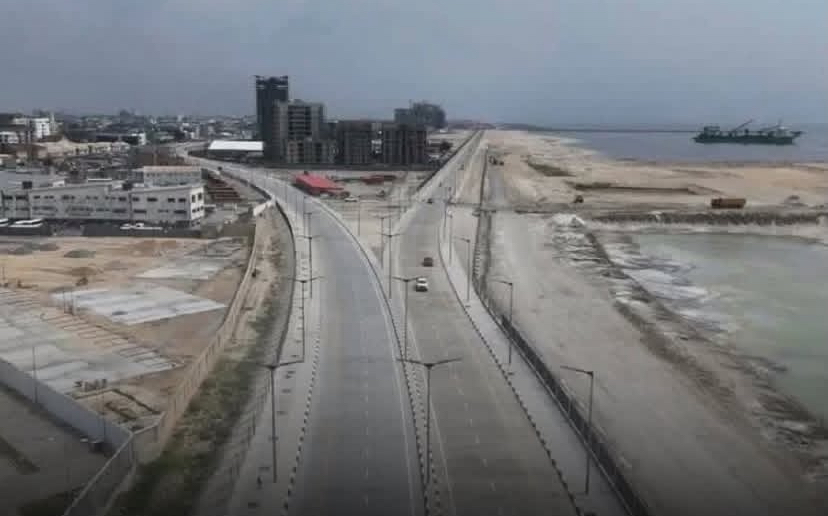
The Federal Government has announced a new restriction on the Lagos-Calabar Coastal Highway, banning commercial motorcycles and tricycles from using the road in a move aimed at protecting the multi-billion-naira infrastructure.
The directive, which takes effect this week, was announced by the Federal Ministry of Works. Officials said the decision forms part of wider efforts to preserve the newly completed sections of the highway and prevent activities that could damage the road.
Moreover, authorities have warned that enforcement will be strict. Road users have been advised to comply with the new rules to avoid penalties as monitoring begins across the highway.
The Federal Controller of Works in Lagos State, Olufemi Dare, explained that the restriction was introduced to safeguard the quality of the road for long-term use.
According to him, the ban covers commercial motorcycles, popularly known as okada, and tricycles, commonly called keke.
He noted that the highway was designed as a world-class transport corridor and must be protected from misuse.
Furthermore, the ministry announced that indiscriminate parking of trucks and articulated vehicles along the coastal highway and on bridges across Lagos State will no longer be allowed.
Officials also prohibited the dumping of refuse along highway corridors.
The ministry described the practice as harmful to public infrastructure and warned that offenders would face enforcement measures.
In addition, Dare disclosed that warning signs have already been installed at different points along the highway.
Task force officials are also expected to be deployed to strategic locations to ensure compliance with the new directives.
According to Dare, “The decision is necessary to preserve the integrity of the road and ensure it remains in good condition for years to come.”
He stressed that protecting the highway remains a priority because of the huge investment committed to the project.
Meanwhile, the Federal Ministry of Works urged motorists and other road users to cooperate with the new regulations.
The ministry believes proper maintenance will extend the lifespan of the road while reducing the cost of future repairs.
Therefore, compliance from all users has been described as essential.
The Lagos-Calabar Coastal Highway remains one of Nigeria’s biggest road infrastructure projects.
It is expected to improve transportation, support trade and strengthen economic activities across several coastal states.
However, officials insist that these benefits can only be achieved if the road is properly maintained.
Consequently, enforcement teams will continue monitoring the corridor to prevent violations.
Anyone found operating commercial motorcycles or tricycles on the highway after the restriction takes effect may face sanctions.
Similarly, truck drivers who park indiscriminately or individuals caught dumping refuse along the corridor also risk enforcement action.
Meanwhile, transport operators and residents are expected to adjust to the new regulations as implementation begins.
Authorities say the measures were carefully introduced to protect public infrastructure rather than inconvenience commuters.