

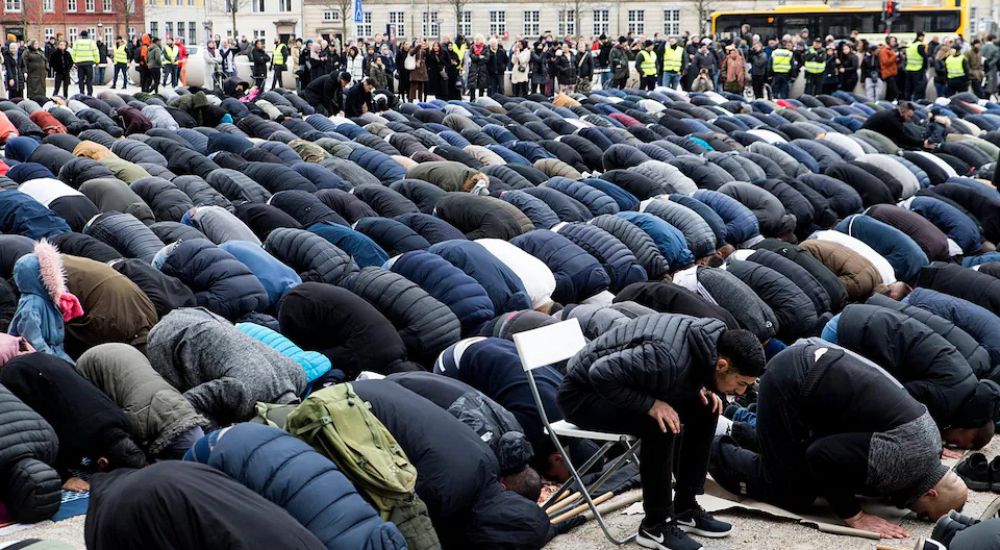
The Danish government is considering a nationwide ban on the Islamic call to prayer, a move that has reignited debate over religious freedom, immigration and the rights of Muslim communities across the country.
The proposal has drawn widespread attention after Immigration Minister Morten Bedskov declared that the Islamic call to prayer “has no place in Denmark.”
If approved, the measure could mark a shift in Denmark’s approach to religious practices. Moreover, it would represent the third attempt by the country’s ruling Social Democratic Party to prohibit mosque broadcasts of the Adhan.
Government officials confirmed that an investigation has been launched to determine whether the Islamic call to prayer can be legally restricted nationwide.
According to authorities, the review will examine how religious freedom can be balanced with concerns relating to public spaces and noise regulations.
Although Denmark’s constitution guarantees freedom of worship, officials noted that certain limitations may be imposed under specific legal conditions.
“The practice has no place in Denmark,” Immigration Minister Morten Bedskov said while explaining the government’s position on the issue.
The latest proposal follows previous efforts by the ruling party to introduce similar restrictions in 2020 and 2025. However, those attempts did not result in a nationwide ban.
Supporters of the review argue that the government has a responsibility to regulate activities affecting shared public spaces. Furthermore, they believe every proposal should be examined within existing constitutional and legal frameworks.
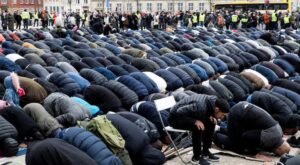
Reports indicate that local municipalities have received very few complaints regarding mosque broadcasts.
Religious freedom groups are also expected to closely monitor the government’s findings.
Many believe the outcome could influence future discussions surrounding the rights of religious minorities across Europe.
Legal experts note that Denmark’s constitution protects citizens’ right to practice their religion. Nevertheless, the law also allows restrictions where public interest or other legal considerations apply.
Meanwhile, no final decision has been announced.
Government officials say the investigation will determine whether a nationwide prohibition is legally possible while remaining consistent with constitutional protections.