



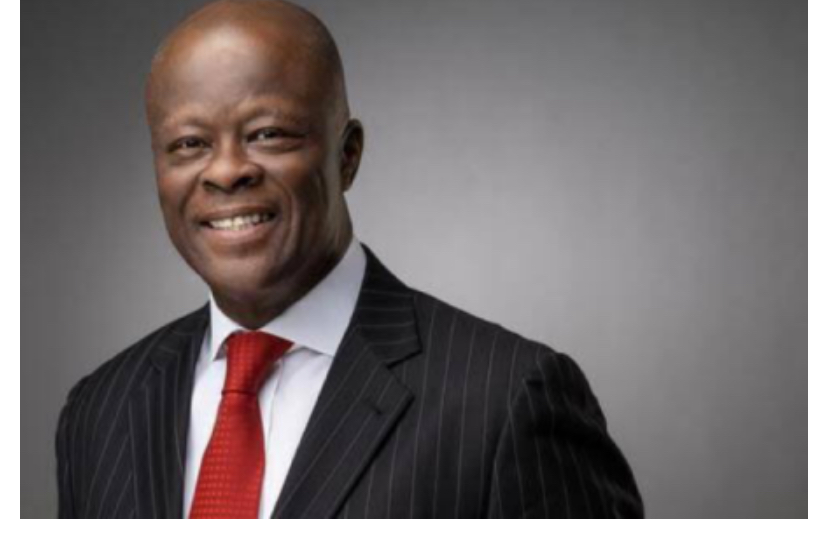
Nigeria’s finance leadership has taken a dramatic turn following the removal of Wale Edun as Minister of Finance and Coordinating Minister of the Economy.
The decision was announced on April 21, 2026,
President Bola Tinubu approved the change through a memo issued by the Secretary to the Government of the Federation, George Akume. Consequently, Edun was directed to hand over to Taiwo Oyedele by April 23, 2026.
The official explanation states that the move is aimed at “strengthening cohesion and improving economic delivery” under the Renewed Hope Agenda.
However, insiders familiar with the situation claim the decision was not sudden. Instead, it reportedly followed months of internal pressure over revenue performance and economic messaging.
A key moment is said to have come during the December 2025 Medium-Term Expenditure Framework (MTEF) and Fiscal Strategy Paper presentation. At that session, Edun gave a frank assessment of Nigeria’s fiscal position.
He disclosed that projected government revenue of ₦40.8 trillion was significantly misaligned with actual performance. According to him, only about ₦10.7 trillion was being realised, leaving a gap of nearly ₦30 trillion.

He explained that weaker oil earnings and underperformance in non-oil sectors were major contributing factors. In addition, he warned that fiscal planning required more realistic assumptions going forward.
Furthermore, he confirmed that only about 30 percent of the 2025 capital budget had been funded at that stage.
Although such disclosures are common in technical budget discussions, sources say they created discomfort within parts of the administration.
By late 2025, internal restructuring had already begun within the ministry. Key responsibilities such as cash management, debt oversight, and payment approvals were gradually reassigned.
The development underlines growing pressure on Nigeria’s economic management framewwork.