

Concerns have emerged within Nigeria’s military after soldiers reportedly questioned an alleged directive requiring them to work alongside rehabilitated Boko Haram members during security operations in the North-East.
The development has reportedly unsettled some frontline personnel, who fear that involving former insurgents in operational support roles could expose military missions to security risks.
Although the rehabilitation of former insurgents has remained part of ongoing deradicalisation efforts, the reported arrangement has reopened debate about trust, security and the long-term effectiveness of the programme.
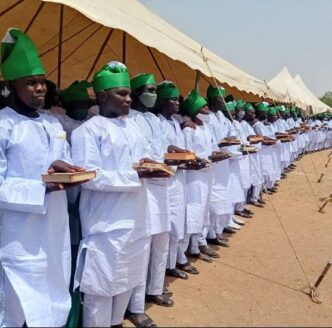
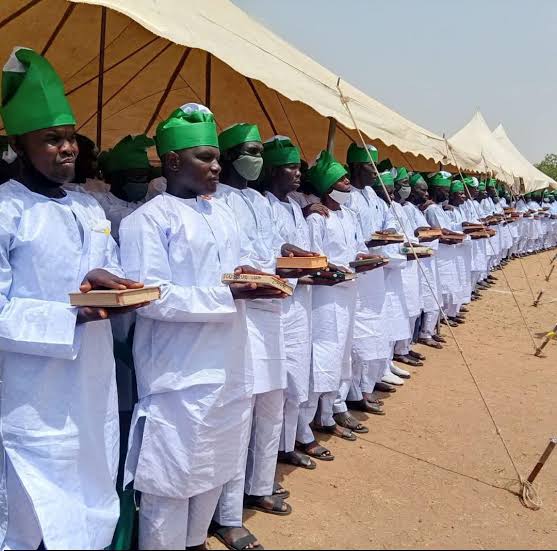
According to military sources who spoke on the condition of anonymity, some former Boko Haram members who completed the government’s deradicalisation programme have allegedly been attached to local security groups assisting troops in Borno State.
The sources claimed the move forms part of efforts to demonstrate the success of the rehabilitation initiative. However, several serving personnel reportedly remain uncomfortable with the arrangement.
One soldier explained that many troops are struggling to accept the decision because of previous experiences during counter-insurgency operations.
“The government wants to prove the programme is working, so some of these ‘repentant’ Boko Haram members are being attached to security groups that work with troops in operations,” the soldier said.
“But many of us are uncomfortable with the arrangement because there have been cases in the past where information leaked and operations were compromised. Trust is a major issue.”
The North-East has remained the centre of Nigeria’s fight against insurgency for more than a decade. Consequently, military operations rely heavily on intelligence, coordination and operational secrecy.
Security experts have often described intelligence protection as one of the most important elements of successful counter-terrorism operations.
Meanwhile, another military source alleged that distrust remains widespread among soldiers despite the rehabilitation programme.
According to the source, some former insurgents are reportedly kept apart from regular troops within military facilities due to lingering concerns.
“We don’t trust them completely. There have been too many incidents in the past,” the source said.
“Yet now there is pressure for us to work closely with them during our missions.”
The source also expressed concern about attacks that have claimed the lives of senior military officers during operations.
“You can see how these Boko Haram fighters have been killing our ogas (commanders). That should tell you there is a leak in information about their movements. Yet the government is asking us to trust these people and work with them. It won’t work,” he added.
The Federal Government has continued to promote its deradicalisation and reintegration programme as part of broader efforts to reduce insurgency and encourage defections from armed groups.
Supporters of the programme argue that rehabilitation offers former fighters an opportunity to abandon violence and return to society peacefully. Furthermore, they believe successful reintegration can weaken terrorist organisations by encouraging more defections.
The reported concerns from frontline personnel have further intensified discussions surrounding the programme. In addition, they highlight the difficult balance between promoting rehabilitation and protecting national security.
No official response had been issued regarding the reported claims at the time of filing this report. Therefore, the allegations remain unverified by the relevant authorities.