


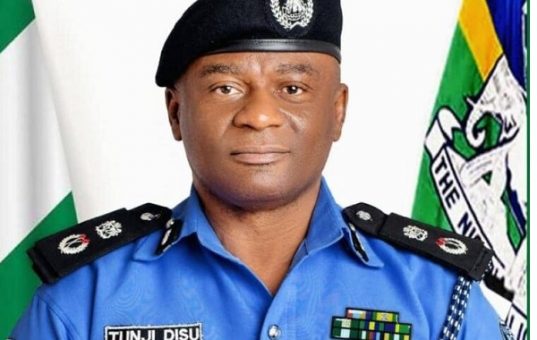
The Nigeria Police Force has begun a major internal shake-up after Inspector-General of Police, IGP Olatunji Disu, reportedly ordered the immediate demobilisation of Police Mobile Force officers facing serious health and family-related challenges.
The directive has already sparked conversations across the country. Many see it as one of the boldest welfare-focused decisions within the Nigeria Police Force in recent years.
According to information circulating within police circles, the order targets officers serving in the Police Mobile Force, also known as MOPOL. These officers are believed to be dealing with severe medical conditions, emotional stress, physical injuries, or urgent domestic problems.
The development comes at a time when security concerns remain high across Nigeria. However, police authorities appear determined to balance operational effectiveness with the wellbeing of officers serving in dangerous environments.
The new directive reportedly focuses on two major areas. These include health-related conditions and compassionate grounds involving serious family issues.
Under the medical category, officers battling chronic illnesses, physical disabilities, or mental health conditions may be removed from tactical operations. Furthermore, officers struggling with emotional trauma linked to years of field operations may also benefit from the policy.
The compassionate category covers officers dealing with family emergencies, critical personal situations, or domestic responsibilities requiring lighter duties closer to home.
According to sources familiar with the development, affected personnel will not be dismissed from service. Instead, they may be reassigned to administrative offices or less demanding policing roles.
One internal source described the move as long overdue.
“A frustrated, severely sick, or emotionally overwhelmed officer carrying a loaded AK-47 on Nigerian roads is a ticking time bomb for everyone,” the source said.

The reported mass demobilisation is expected to trigger fresh deployments across several commands. In addition, younger and physically fit officers may now be drafted into tactical units to strengthen operations.
They also argue that removing unfit officers from high-risk assignments may reduce cases of emotional breakdown and excessive force.
Meanwhile, the move has also opened wider conversations about mental health within security agencies.
For years, discussions around police reform focused mainly on discipline and operational tactics. However, the latest development shifts attention toward the condition of officers behind the uniform.
The Police Mobile Force remains one of Nigeria’s most active tactical units. Officers are frequently deployed to dangerous operations, riot control, anti-kidnapping missions, and election security duties.
Reactions online have remained mixed since reports of the directive surfaced.
Nevertheless, supporters argue that healthy and emotionally stable officers are critical to effective policing.