

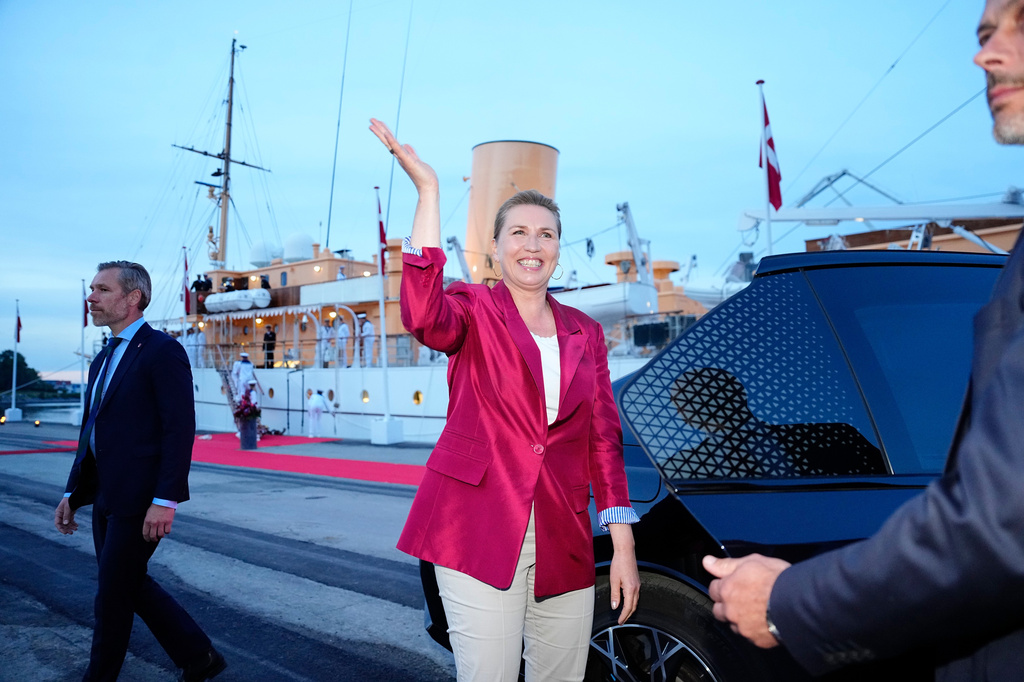
Denmark’s political uncertainty has finally come to an end after Prime Minister Mette Frederiksen secured enough support to form a new coalition government and remain in power for a third consecutive term.
The development comes at a crucial moment for the Nordic nation. Rising living costs have reshaped the political landscape, while growing tensions over Greenland have pushed foreign policy to the forefront of national discussions.
After months of negotiations and political bargaining, Frederiksen emerged with the backing needed to lead a new centre-left administration.
The Denmark coalition government was officially confirmed after Frederiksen informed King Frederik that a new administration was ready to take office.
“I have been to see His Majesty the King and announced that a government can be formed after long negotiations,” Frederiksen told reporters.
The announcement follows the March 24 parliamentary election, which produced a fragmented political landscape. Twelve parties secured representation, making coalition talks both lengthy and complex.
Although Frederiksen’s Social Democratic Party remained the largest political force, its parliamentary strength was reduced. The party secured 38 seats, down from the 50 seats it previously held.
However, despite losing ground, the Social Democrats maintained a leading position in parliament. This provided Frederiksen with an opportunity to negotiate alliances capable of keeping her administration in office.
Moreover, discussions between the Social Democrats and the right-wing Liberal Party continued for more than two months. Questions over leadership and coalition structure reportedly delayed an agreement.
Eventually, enough parliamentary support was secured to form a minority government. Therefore, Frederiksen will continue as prime minister despite the challenging election outcome.
The new coalition will include the Social Democrats, Social Liberals, Left Greens, and the centrist Moderates. Meanwhile, additional support is expected from the Red-Green Alliance when key votes arise.
Frederiksen emphasized that the coalition aims to serve both present and future generations.
“It is a government platform for the people who are in Denmark and for the generations to come and also for the animals,” she said.
Animal welfare became a significant campaign issue during the election period.
Furthermore, Frederiksen revealed that the administration’s main priorities will be unveiled in the coming days. Ministers are also expected to be announced shortly.
One of the most sensitive issues involves Greenland, which has become a point of diplomatic tension with the United States.
In addition, Denmark is expected to increase attention on defense and security matters. Growing concerns across Europe have been linked to Russia’s ongoing war in Ukraine.
Meanwhile, economic pressures remain a major concern for Danish voters. Rising living costs played a significant role in the recent election and are expected to influence future policy decisions.