


Many Nigerians want a more professional police force. They want quicker responses, better investigations, and stronger protection from crime. However, a new argument is shifting attention to a different question: Is the country doing enough to build the police institution it expects to have?
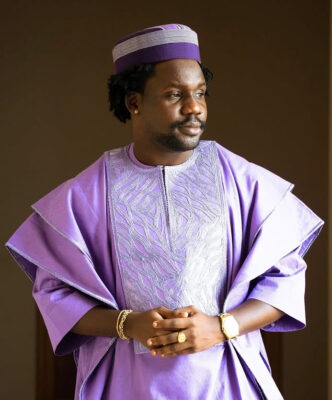
That question has been raised by Lanre Olagunju, Editor of CheckClimate.Africa. In a recent article, he argued that while Nigerians often criticize the police for operational failures, insufficient attention is paid to the resources required to build a modern and effective law enforcement agency.
The argument comes at a time when insecurity remains a major national concern. Moreover, experts believe that improving policing will require more than demands for accountability. It will also require investment in technology, equipment, welfare, training, and institutional support.
In his article titled “The Police We Want and the Police We Have,” Olagunju noted that citizens have legitimate expectations of the Nigeria Police Force. However, he argued that those expectations must be matched with practical support from government and society.
According to him, issues such as poor investigations, delayed responses, and security lapses cannot be separated from challenges including limited funding, inadequate equipment, ageing infrastructure, and welfare concerns.
He also highlighted recent efforts under Inspector-General of Police Olatunji Disu. These include intelligence-led policing initiatives, disciplinary measures against erring officers, and the promotion of more than 17,000 junior officers.
Furthermore, specialized crime response units have been established to improve operational effectiveness. According to Olagunju, such measures reflect attempts to improve professionalism while maintaining discipline within the force.
However, he stressed that leadership reforms alone will not solve the problem.
The writer argued that a country of more than 200 million people cannot expect world-class policing without making significant investments in security institutions. Therefore, he called for greater national commitment to strengthening the operational capacity of the police.
A key part of that discussion centers on equipment and technology. Security experts increasingly believe that modern policing cannot succeed without modern tools.
Consequently, there is growing support for stronger collaboration between the Nigeria Police Force and government agencies responsible for innovation and technological development.
The Federal Ministry of Innovation, Science, and Technology has been tasked with promoting scientific research and national innovation policies. Moreover, its work could support the deployment of smart policing tools, digital intelligence systems, surveillance infrastructure, crime data management platforms, and other technology-driven solutions.
In addition, the Ministry of Defence has intensified efforts aimed at modernizing Nigeria’s security architecture. Under the leadership of General Christopher Gwabin Musa (rtd), attention is being placed on local technology development and improved security capabilities.
One major initiative involves the revitalization of the Defence Industries Corporation of Nigeria (DICON). The goal is to build a self-reliant defence manufacturing system and reduce dependence on foreign military imports.
Furthermore, emphasis is being placed on drones, robotics, cybersecurity systems, artificial intelligence, and advanced surveillance technologies. These tools are increasingly viewed as essential in tackling terrorism, banditry, kidnapping, and organized crime.
The Defence Futures Lab initiative is also expected to strengthen partnerships with technology experts. Consequently, data-driven security solutions and innovation pipelines can be developed to support national defence and internal security operations.
Beyond equipment, authorities are also focusing on addressing the root causes of insecurity. Poverty, unemployment, and social exclusion have been identified as factors that contribute to criminal activities in some communities.

Meanwhile, efforts are being made to improve welfare support for both serving and retired security personnel.
The conversation, therefore, extends beyond accountability alone. While officers who abuse their authority must face sanctions, effective policing also depends on resources, training, technology, and public trust.
Olagunju further questioned whether influential Nigerians would encourage their children to pursue careers in policing. According to him, the answer reflects how society views the profession.
He noted that respected police institutions around the world were built through sustained investments in recruitment, technology, welfare, and professional development.
Nigerians continue to battle kidnapping, insurgency, communal violence, and other security threats, calls for a better-equipped police force are becoming louder.
In the end, Olagunju concluded that meaningful reform cannot be achieved by government alone. Instead, communities, citizens, and policymakers must share responsibility for creating a professional and effective police institution capable of meeting Nigeria’s growing security demands.