

The US has struck southern Iran, hitting more than 80 targets. This comes just hours after Iran finished funeral processions for its slain Supreme Leader.
American forces targeted the port cities of Bandar Abbas and Sirik early Wednesday. Strikes also hit sites on Qeshm Island.
US Central Command said the strikes hit air defence systems and coastal radar sites. In addition, forces destroyed anti-ship missile capabilities and over 60 IRGC small boats.
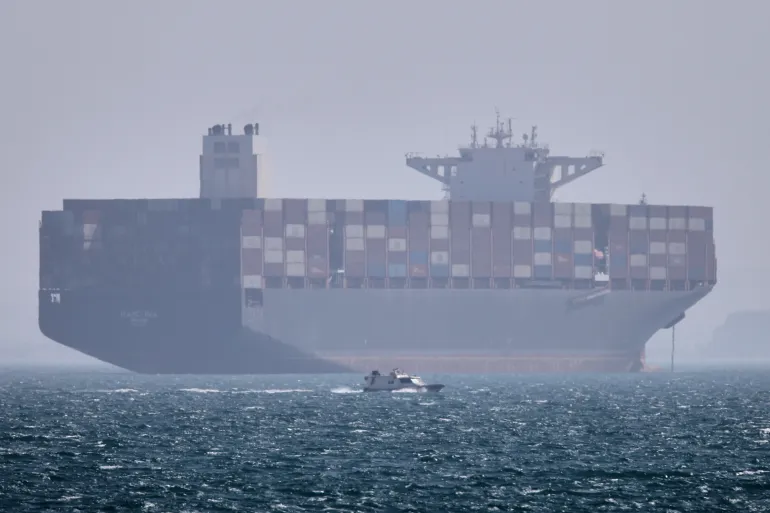
The attacks followed Iranian strikes on three commercial vessels in the Strait of Hormuz. Those attacks broke a ceasefire that had held since April. Consequently, Washington reimposed oil sanctions on Iran, cancelling waivers from last month’s agreement.
Iran did not stay silent. Tehran retaliated with strikes on US-linked bases in Bahrain and Kuwait. Furthermore, Iran’s army claimed a drone strike on Sheikh Isa Air Base in Bahrain.
Parliament Speaker Mohammad Bagher Ghalibaf called the US strikes “major violations” of the truce. He warned that “the era of bullying and extortion is over.”
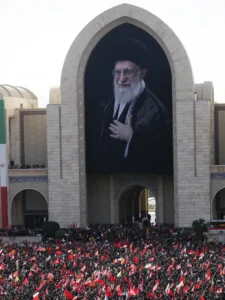
Meanwhile, this Iran ceasefire crisis unfolded as funeral events for Ayatollah Ali Khamenei wound down in Najaf, Iraq. His burial is planned for Mashhad. Khamenei was killed in a US-Israeli strike back in February, which started the war.
The fragile truce had reopened the vital Strait of Hormuz. Now, both sides are trading blame over who broke the peace deal first. Therefore, the risk of wider conflict remains high.
CENTCOM confirmed the strikes lasted roughly four hours. An unnamed US official told Reuters the targets included coastal surveillance systems and drone launch sites. Moreover, the IRGC said it shot down a US drone during the exchange.
Iran’s Foreign Ministry blamed Washington entirely for the fallout. The ministry said the US broke last month’s agreement, which had extended the earlier ceasefire.
This Iran ceasefire crisis now threatens talks meant to end the broader war. Still, neither country has confirmed plans to walk away from negotiations completely.
NATO chief Mark Rutte, speaking from the alliance’s summit in Turkiye, called the US response “absolutely necessary.” President Trump is attending the same summit this week.
Analysts say the situation in the Strait of Hormuz remains highly unstable. As talks continue, the world watches to see whether the ceasefire can survive another blow.