


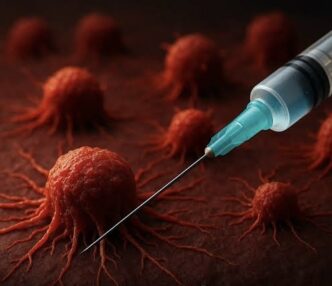
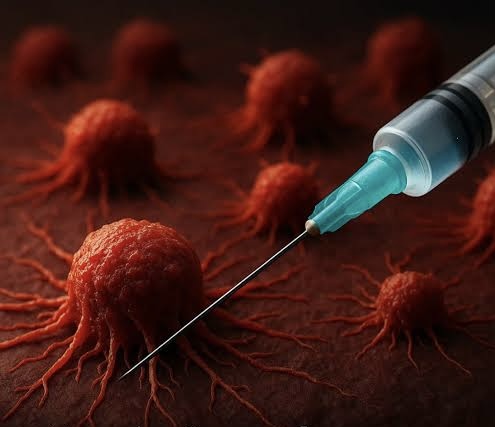
A major breakthrough in cancer research has raised hope across the medical world after scientists in Singapore announced progress toward a universal cancer vaccine.
The development could change the future of cancer treatment and prevention if ongoing studies continue to deliver positive results.
Researchers revealed that the vaccine is designed to train the body’s immune system to detect and fight different types of cancer cells automatically. Unlike traditional treatments that target one tumor at a time, this new method aims to create a wider defense system inside the body.
However, scientists now believe advances in immunotherapy and bioengineering may be changing that reality faster.
According to the researchers, the vaccine could help stop cancer cells before they grow aggressively or spread to other organs.
Furthermore, the treatment may reduce the need for painful surgeries, chemotherapy, and long hospital stays for many patients in the future.

Medical experts explained that the vaccine works by teaching the immune system to recognize harmful cancer patterns across different tumor types. As a result, the body may be able to destroy dangerous cells naturally before they become life-threatening.
The research was also linked to growing interest in mRNA cancer vaccine technology. Pediatric oncologist Elias Sayour recently gained attention after becoming a finalist for the 2026 BioInnovation Institute & Science Prize for Innovation because of his work on “universal” mRNA cancer vaccines.
One section of the report stated: “The vaccine works by training the immune system to recognize a wide range of cancer cells, regardless of where they originate in the body.”
Another part added: “The immune system learns to identify and eliminate malignant cells before they can grow and spread.”
Meanwhile, health experts cautioned that the vaccine remains in its early stages and still requires more testing before becoming publicly available. Clinical trials are expected to continue over the coming years to confirm safety and long-term effectiveness.