


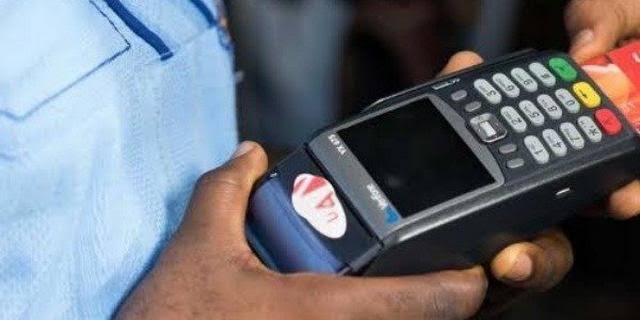
The Inspector-General of Police, Tunji Disu, has introduced a nationwide restriction banning Point-of-Sale operators from working close to police stations and other police formations across Nigeria.
Under the new order, POS operators are no longer allowed to operate within 200 metres of any police station, divisional headquarters, or police formation nationwide.
Police authorities confirmed that the directive was circulated through an internal wireless communication for immediate enforcement. Furthermore, senior officers were warned that any violation within their commands could attract disciplinary action.
According to police authorities, the increasing number of POS outlets around formations had become alarming. In addition, some operators were allegedly linked to bribery and suspicious cash transactions involving officers and civilians.
The internal communication reportedly stated that the situation was affecting ongoing reforms aimed at improving accountability and restoring public confidence in the Nigeria Police Force.
Authorities said they observed with “utmost dismay” the growing presence of POS operators close to police facilities across the country.
Meanwhile, the new directive places responsibility directly on senior officers. Assistant Inspectors-General of Police, Commissioners of Police, and heads of formations could now be held “vicariously liable” for any violation recorded within their jurisdictions.
Over the years, some Nigerians have accused certain officers of directing civilians and suspects to nearby POS agents during arrests, interrogations, or bail-related processes.
However, despite that concern, supporters of the directive argue that the move could improve transparency and discourage misconduct within the police system.
The Nigeria Police Force has recently faced growing pressure to strengthen professionalism and reduce public complaints about extortion and abuse of power.
Therefore, the latest directive is being interpreted by many as an attempt to send a stronger message about accountability within the Force.
Meanwhile, enforcement has reportedly started in some states, with monitoring teams expected to ensure compliance nationwide.