


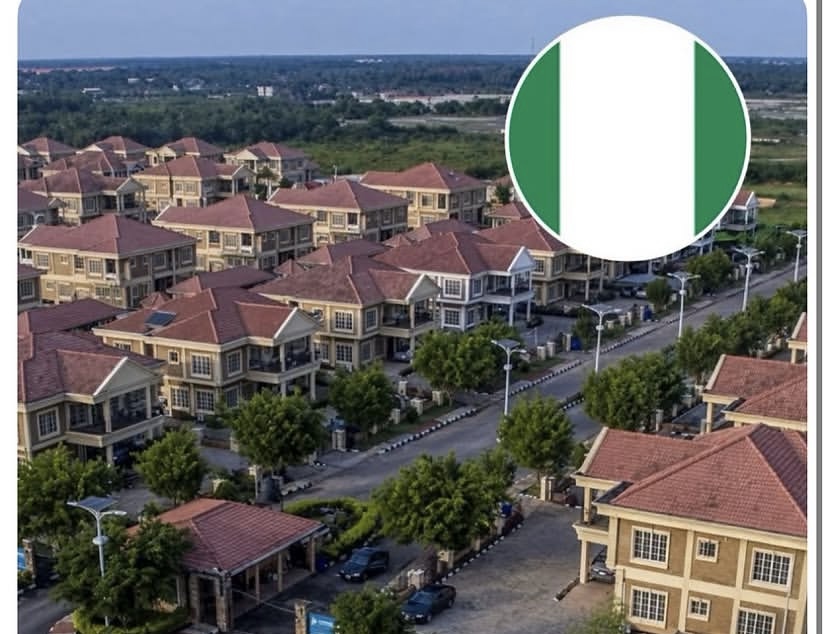
Nigeria has emerged as Africa’s largest real estate market with property assets estimated at $2.6 trillion.
The figure puts Nigeria ahead of Egypt, Ethiopia and South Africa in the latest African property market ranking.
But behind the huge number lies a much bigger story about Nigeria’s population, cities and housing needs.
The figures were attributed to the July 2026 LEAF Real Estate Investment in Africa Report.
Egypt follows with about $1.6 trillion, while Ethiopia stands at $1.3 trillion.
South Africa completes the top four with an estimated real estate value of $1.2 trillion.
Nigeria’s position is closely linked to its large population and rapid growth across major cities.
Lagos, Abuja, Port Harcourt, Ibadan, Kano and Enugu continue to see growing property activity.
The country also faces a major housing shortage, with the report putting the deficit above 28 million units.
That gap creates major demand for homes, but affordability remains a key challenge.
Many Nigerians still struggle to buy homes because of high prices and limited access to mortgage finance.
The market also covers offices, shops, warehouses, industrial buildings and other commercial properties.
Infrastructure remains another major factor that could shape future growth.
Better roads, transport, power, water and other services can open new areas for development.
However, developers still face high construction costs, expensive financing and land-related challenges.
The Nigeria real estate market therefore presents both major opportunities and serious challenges. Its large size does not automatically guarantee success for every investor or developer.
Greater access to long-term funding could help increase housing supply and support wider property development.