

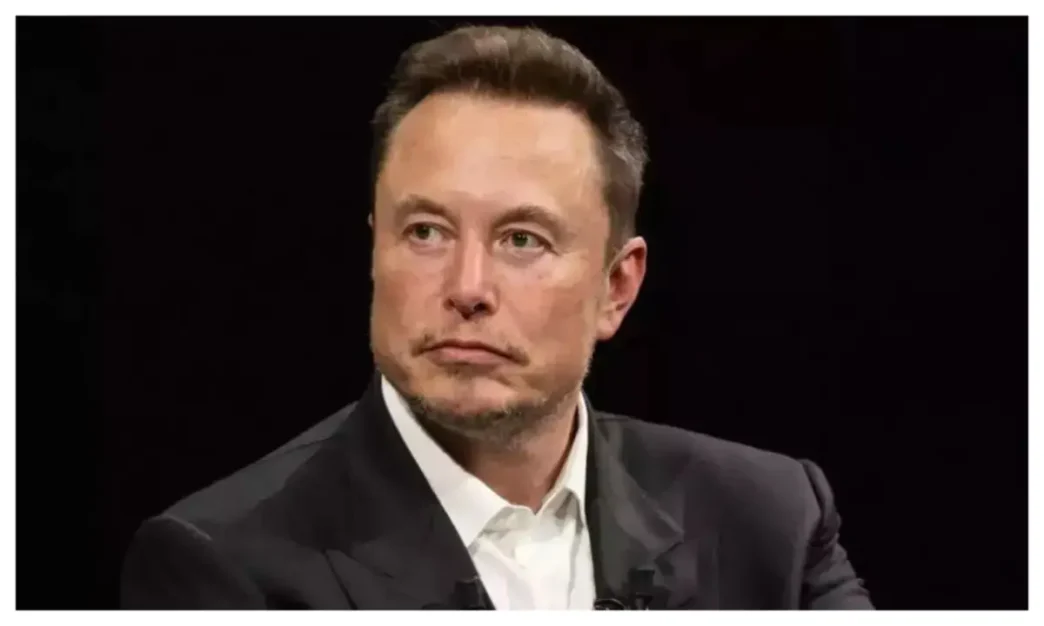
Tech billionaire Elon Musk has triggered a global debate after claiming that deaths across Africa declined following major cuts to United States foreign aid.
His comments have drawn attention because they directly challenge warnings from leading humanitarian and global health organizations.
Musk argued that reducing funding for the United States Agency for International Development (USAID) did not worsen mortality across Africa. Instead, he claimed the cuts ended activities that allegedly fueled political instability in some countries.
The comments were made in a post on X on Tuesday while Musk defended funding reductions introduced under the Department of Government Efficiency (DOGE). The initiative has significantly reduced USAID spending in recent years.
The USAID funding cuts have remained a major topic of discussion among governments, aid agencies and development experts.
Moreover, the latest comments from Musk have intensified arguments over whether foreign assistance delivers its intended humanitarian benefits.
Backing his position, Musk shared mortality data, including weekly death statistics from South Africa. According to the analysis, recorded deaths remained stable after the aid reductions.
“Deaths in Africa DECREASED after USAID funding was cut, because they’re no longer able to push for violent revolution to install leftist regimes!” Musk wrote.
The graph he referenced covered weekly deaths recorded in South Africa between January 2023 and May 2026. It also included the period after funding reductions to both USAID and the U.S. President’s Emergency Plan for AIDS Relief (PEPFAR).
According to the analysis shared by Musk, observed excess deaths remained close to zero. Furthermore, the figures appeared lower than projections made before the funding cuts.
The report also referred to a 2019 research paper. The study argued there was limited statistical evidence linking higher foreign aid spending with significant improvements in life expectancy or mortality rates in developing countries.
Meanwhile, available data shows that U.S. humanitarian assistance has fallen sharply.
According to Refugees International, humanitarian funding dropped from $14 billion in 2024 to $3.7 billion in 2025.
The organization described the dismantling of USAID as “the most prominent manifestation” of a broader decline in international humanitarian support.
In addition, the Center for Global Development reported that USAID spending declined by about 58 percent in 2025 compared with the previous year.
Musk has repeatedly defended the decision to reduce foreign aid. He argued that taxpayer money should not be wasted or used for political purposes.
He also alleged that some previous USAID activities in Africa contributed to “violent revolution” aimed at installing left-leaning governments. According to him, ending such programmes removed a source of instability.
However, his claims have been strongly challenged by health experts and humanitarian organizations.
A study published in The Lancet in July 2025 projected that the funding cuts could contribute to more than 14 million deaths worldwide by 2030. The report estimated that over 4.5 million children could be among those affected.
Similarly, journalist Nicholas Kristof, citing estimates from the Center for Global Development, reported that more than 1.6 million people could die within a year without continued U.S. support for HIV prevention and treatment programmes.
Therefore, experts continue to argue that foreign aid remains essential for healthcare, disease prevention and emergency relief across many developing nations.
The debate surrounding the USAID funding cuts is expected to continue as governments, researchers and aid organizations examine new evidence on their long-term impact.