

The Federal Government has announced plans to end the separation of Junior Secondary Schools (JSS) and Senior Secondary Schools (SSS), saying the policy has failed to improve education and has instead contributed to rising school dropout rates across Nigeria.
The move is expected to reshape secondary education if approved. Government officials believe removing the policy will make it easier for students to move from junior to senior secondary school without unnecessary delays or administrative challenges.
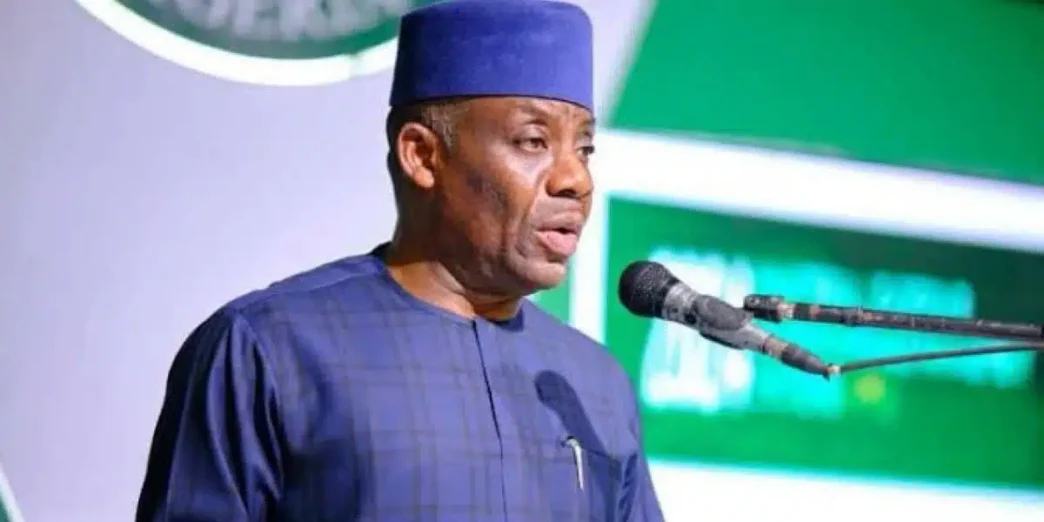
Minister of Education, Dr. Olatunji Alausa, made the announcement on Tuesday in Abuja. He described the current arrangement as ineffective and said urgent action is needed to stop more students from leaving school before completing their education.
The JSS-SSS separation policy has remained a major topic in Nigeria’s education sector. However, the Federal Government now believes the system has created barriers instead of improving learning outcomes.
According to Alausa, the policy introduced separate management structures for JSS and SSS.
“The policy, which created separate management structures for JSS and SSS, has failed to achieve its objectives.”
He explained that the arrangement has created unnecessary administrative bottlenecks. Consequently, millions of students expected to move into senior secondary school have been unable to continue their education.
According to the minister, the situation is unacceptable because many learners are being left behind despite completing their junior secondary education.
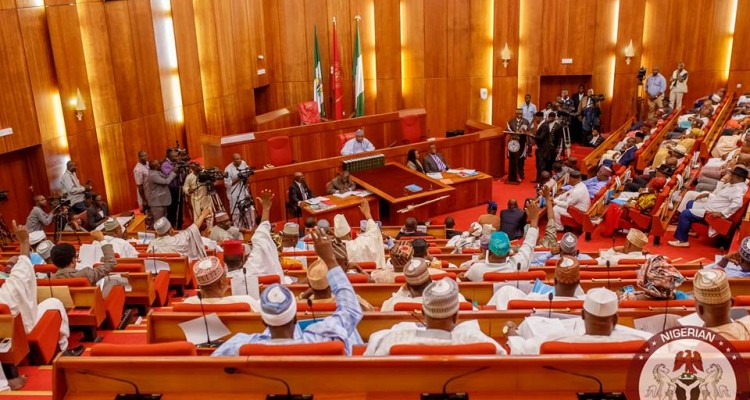
To address the challenge, Alausa directed officials of the Federal Ministry of Education to prepare a position paper. The document will be presented to the National Council on Education (NCE) for consideration before the policy is formally reviewed and discontinued.
Moreover, the minister announced the inauguration of a new committee to oversee government education projects nationwide.
The committee has been tasked with ensuring that Smart Schools, Bilingual Schools and Alternative Schools become fully operational. Furthermore, it will identify obstacles delaying project completion and recommend practical solutions.
Alausa said the committee would ensure government-funded schools are completed, properly equipped, adequately staffed and opened to students without unnecessary delays.
In addition, he stressed that public investments in education should never be left unused.
“No publicly funded educational facility should remain abandoned or underutilised.”
He added that every completed school left unused represents lost opportunities for Nigerian children who deserve quality education.
Meanwhile, the Federal Government has set a target of making all Smart Schools and Bilingual Schools operational before the end of the year.
Education stakeholders have repeatedly expressed concern over school dropout rates, especially during the transition from junior to senior secondary education. Therefore, the proposed reform is expected to receive close attention from policymakers and school administrators.
The JSS-SSS separation policy review forms part of broader efforts to strengthen Nigeria’s education system and improve access to quality learning opportunities.
If approved by the National Council on Education, the policy change could simplify school administration, improve student progression and reduce dropout rates.