

The Economic Community of West African States (ECOWAS) has reaffirmed its commitment to launching the long-awaited ECOWAS ECO currency in 2027, despite ongoing global economic challenges.
The announcement came after the regional bloc concluded its 69th Ordinary Session of the Authority of Heads of State and Government in Lungi, Sierra Leone.
The renewed commitment has drawn attention across West Africa because the single currency is expected to reshape regional trade, improve economic cooperation, and strengthen financial integration among member states.
Moreover, the decision comes as many countries continue to recover from inflation, rising debt, and global economic uncertainty.
In addition to the currency plan, ECOWAS approved several major initiatives covering regional security, energy, infrastructure, trade, food security, cybersecurity, and governance.
According to a communiqué released after the summit, member states agreed that countries meeting the required economic conditions would adopt the ECO first.
Meanwhile, nations yet to satisfy the convergence requirements will receive support until they qualify for membership in the monetary union.
The communiqué stated:
“The Authority reiterates its firm commitment to the launch of the ECO in 2027 as a key instrument for deepening regional economic integration and promoting sustainable, inclusive and resilient growth within the Community.”
Furthermore, ECOWAS confirmed that the name “ECO” has now been officially registered with the African Intellectual Property Organization. The Commission was also directed to secure trademark protection with additional regional and international intellectual property organisations.
The ECO currency remains one of the bloc’s most ambitious integration projects. If successfully introduced, it is expected to reduce trade barriers, simplify cross-border transactions, and improve business activities throughout West Africa.
However, the summit focused on more than economic integration alone.
Regional leaders expressed serious concern over worsening insecurity across the Sahel and the Lake Chad Basin. Consequently, they approved a revised roadmap for activating the ECOWAS Counterterrorism Brigade, which is expected to become fully operational by July 2027.
The Authority also urged member states to clear outstanding Community Levy arrears to improve funding for the regional security force.
Meanwhile, ECOWAS strongly condemned the continued rise in terrorism, banditry, kidnappings, and school abductions, particularly in northern Nigeria.
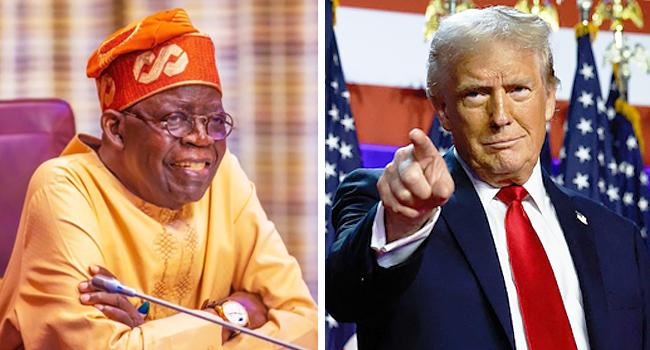
The regional body expressed solidarity with Nigeria and commended President Bola Tinubu for ongoing efforts to improve national security and secure the release of victims.
Furthermore, leaders highlighted the growing humanitarian crisis caused by armed conflict, displacement, climate change, and food shortages.
On regional diplomacy, ECOWAS extended the mandate of Chief Negotiator Dr. Lansana Kouyaté until December 2026. The bloc also reaffirmed that negotiations with Burkina Faso, Mali, and Niger would continue collectively rather than individually.
Food security also featured prominently during discussions. Leaders expressed concern over rising fertiliser prices and increasing pressure on agricultural production. Consequently, they called for faster implementation of the ECOWAS Rice Agenda and Regional Rice Roadmap to reduce dependence on imported food.
Moreover, the Authority reaffirmed its commitment to the ECOWAS Protocol on Free Movement of Persons, stressing that easier cross-border movement remains essential for economic growth and regional development.
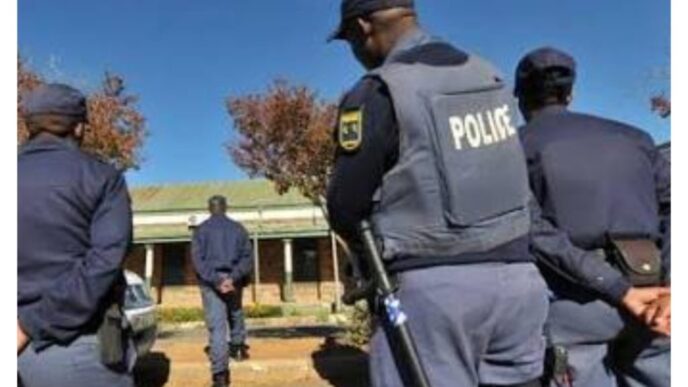
The summit also addressed recent xenophobic attacks against Africans in South Africa. ECOWAS condemned the violence and urged South African authorities to ensure the safety of foreign nationals.
On infrastructure and trade, leaders warned member states against entering bilateral trade agreements that could weaken the ECOWAS Customs Union. They also directed the Commission to prepare investment-ready projects in transportation, energy, digital connectivity, and water infrastructure.
Furthermore, ECOWAS welcomed the signing of the Inter-Governmental Agreement on the African Atlantic Gas Pipeline, describing the project as an important step toward improving regional energy security and industrial development.
The summit also approved new regional frameworks covering cybersecurity, data protection, digital governance, electronic communications, and open data. These measures will be supported by the establishment of a Regional Cybersecurity Coordination Mechanism.
In addition, member states adopted a Presidential Declaration aimed at improving gender equality in political leadership and encouraging greater participation of women in governance.
Finally, the summit endorsed key leadership appointments. General Birame Diop of Senegal was confirmed as President of the ECOWAS Commission for the 2026–2030 term. Senegalese President Bassirou Diomaye Faye was also elected Chairman of the ECOWAS Authority of Heads of State and Government for a one-year tenure.