

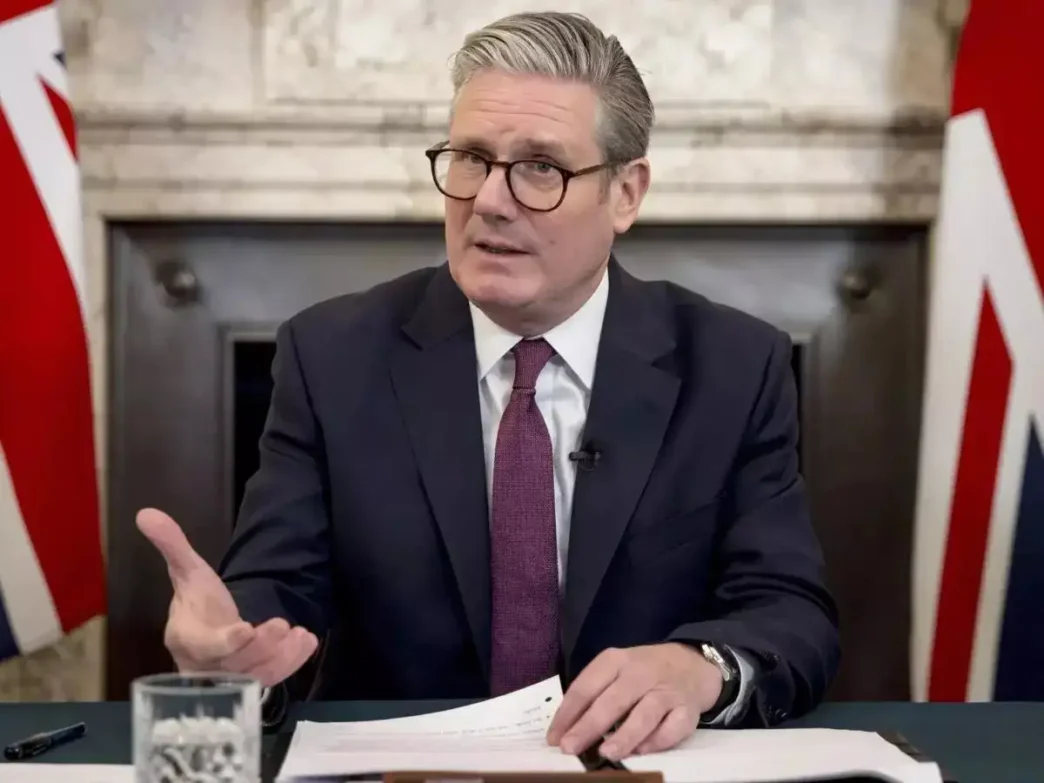
The political landscape in the United Kingdom has been shaken after the Keir Starmer resignation was officially announced.
Starmer confirmed on Monday that he would step down, following months of growing pressure from within his own party. Moreover, the decision came after Labour suffered major setbacks in recent local elections and faced increasing criticism from lawmakers.
The announcement has triggered uncertainty across British politics. Meanwhile, attention has quickly shifted to who will replace him and what direction the Labour Party will take next.
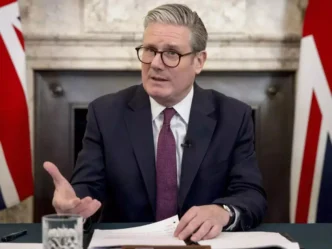
Speaking outside 10 Downing Street in London, Starmer revealed that he would remain in office until a new Labour leader is chosen.
During an emotional address, the outgoing Prime Minister reflected on his time in office and highlighted achievements recorded under his leadership.
He said entering Downing Street had been the “proudest moment of my life,” adding that Britain’s global standing had improved, investments had been secured, and workers’ rights had been strengthened.
However, Starmer admitted that many colleagues had questioned whether he remained the right person to lead Labour into another general election.
Addressing the growing concerns, he stated: “I have heard the answer from my parliamentary party. I accept that answer with good grace. I will resign as leader of the Labour Party.”
The resignation comes less than two years after Starmer guided Labour to a commanding victory in the 2024 general election.
In addition, debates over economic policies, welfare reforms, and key appointments reportedly deepened divisions within Labour ranks.
Recent polling also reflected the growing pressure. According to an Ipsos survey, 52 percent of Britons believed Starmer should step down, while only 35 percent wanted him to remain in office.
Meanwhile, Andy Burnham has emerged as the leading figure in discussions about Labour’s future leadership. His recent by-election victory has strengthened expectations that he could become the next party leader.
Under Labour rules, only a sitting Member of Parliament can lead the party.
Financial markets also reacted to the news. The British pound weakened slightly against the dollar, while investors closely monitored developments surrounding the leadership transition.
Economists noted that Britain continues to face challenges related to inflation, borrowing costs, and public debt.
Commenting on the situation, economist Kallum Pickering said markets are now trying to assess what a future government under Burnham might look like.