


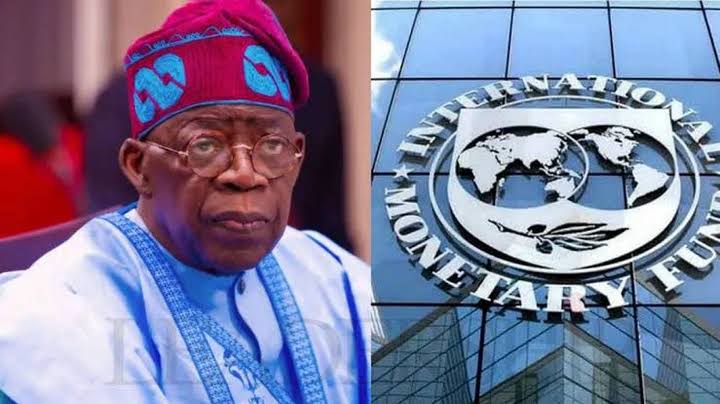
Nigerians could face higher costs for fuel and telecommunications services if recommendations made by the International Monetary Fund (IMF) are eventually adopted by the government.
The proposal comes at a time when many households are already struggling with rising living expenses. Moreover, businesses and consumers have continued to adjust to the effects of recent economic reforms.
In a development that many did not expect, the IMF advised Nigeria to consider introducing additional taxes on fuel products and telecom services to increase government revenue. The recommendation was contained in the Fund’s 2026 Article IV Consultation report on Nigeria.
According to the report, stronger revenue generation is needed to finance development projects, social welfare programmes, and support for vulnerable citizens. However, the global financial institution acknowledged that any new measures must be introduced carefully.
The IMF Nigeria tax proposal includes extending Value Added Tax (VAT) to fuel products and introducing excise duties on telecommunications services.
In addition, the Fund recommended a possible increase in the VAT rate. It also suggested reviewing certain tax exemptions and customs duty waivers currently in place.
Highlighting its position, the IMF stated:
“Further tax policy changes will likely be needed… including extending VAT to fuel products and introducing telecom excises.”
The recommendation has drawn attention because fuel and telecommunications services affect millions of Nigerians daily.
Consequently, any increase in costs within those sectors could have a direct impact on transportation, communication, and business operations.
However, the IMF also warned that the timing of such reforms remains critical.
The organization noted that poverty levels and food insecurity must be carefully considered before any new taxes are introduced.
The report stated:
“The timing of reforms must consider the poverty and food insecurity situation and ensure that the cash transfer system is in place and funded.”

Furthermore, the Fund stressed the importance of having adequate social support systems available to cushion the impact on vulnerable groups.
Meanwhile, concerns have already been raised by stakeholders in affected sectors.
Telecommunications operators have repeatedly argued that additional taxes could increase the cost of calls, internet subscriptions, and other services.
Similarly, labour unions and business associations have often opposed fuel-related taxes due to concerns about inflation and transport costs.
Many Nigerians are still adjusting to higher expenses following the removal of petrol subsidies. Therefore, the prospect of new taxes may generate further public debate.
Despite these concerns, the IMF believes the measures could significantly strengthen government finances.
According to the report, the proposed tax adjustments could generate an additional 3.9 percent of Nigeria’s Gross Domestic Product within three years.
Moreover, improved tax administration and stronger compliance systems could contribute another 3.1 percent of GDP.
The Fund also projected that ongoing reforms could increase government revenue by 4.6 percent of GDP over the medium term.
Meanwhile, no official decision has been announced regarding the recommendations.