

A medical breakthrough from South Korea could change the future of dental care forever.
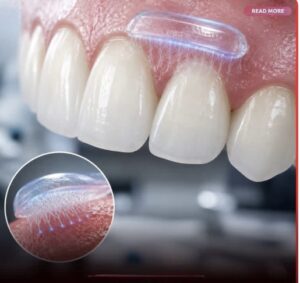
Researchers are currently developing a special biomedical patch that may one day help humans naturally regrow lost teeth.
Moreover, the experimental discovery is already drawing global attention because it could reduce dependence on dentures and dental implants in the future.
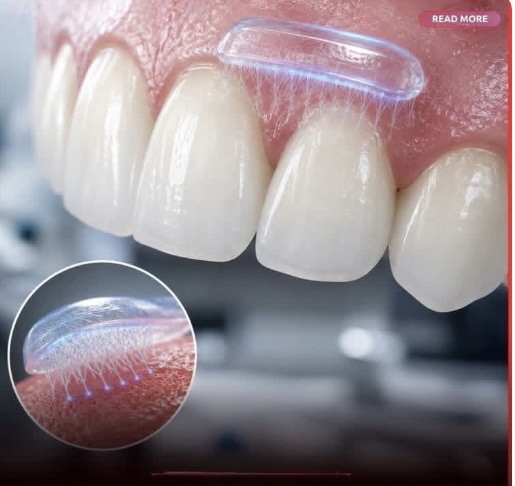
The new tooth regrowth patch technology is being developed through regenerative medicine research.
Scientists explained that the patch is designed to reactivate natural biological signals inside the gums.
These signals may help stimulate dormant cells responsible for tooth development.
If the process succeeds, damaged or missing teeth could potentially grow back naturally.
Furthermore, experts believe the innovation could completely transform how dental problems are treated worldwide.
Unlike traditional dental solutions, the patch focuses on restoring natural tissue instead of replacing teeth artificially.
“This approach is part of regenerative medicine, which focuses on repairing or regrowing body tissues instead of replacing them with artificial ones,” researchers explained.
The technology is still in its early stages of development. Meanwhile, researchers confirmed that testing is currently limited to laboratory studies and animal trials.
Human testing has not started yet, and the treatment is not available for public use.
However, scientists remain hopeful about the long-term possibilities linked to the project.
According to reports, the patch works by triggering hidden tooth-forming cells inside the gums.
These cells are believed to remain inactive after human teeth stop developing naturally.
By reactivating them, researchers hope the body could begin forming new teeth again.
Furthermore, many people suffering from tooth loss due to accidents, aging, or illness could benefit greatly if the project succeeds.
Clinical trials and safety checks would need to be completed before approval.
The study was linked to updates from the National Institute of Dental and Craniofacial Research.