

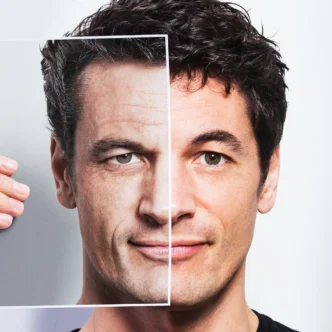
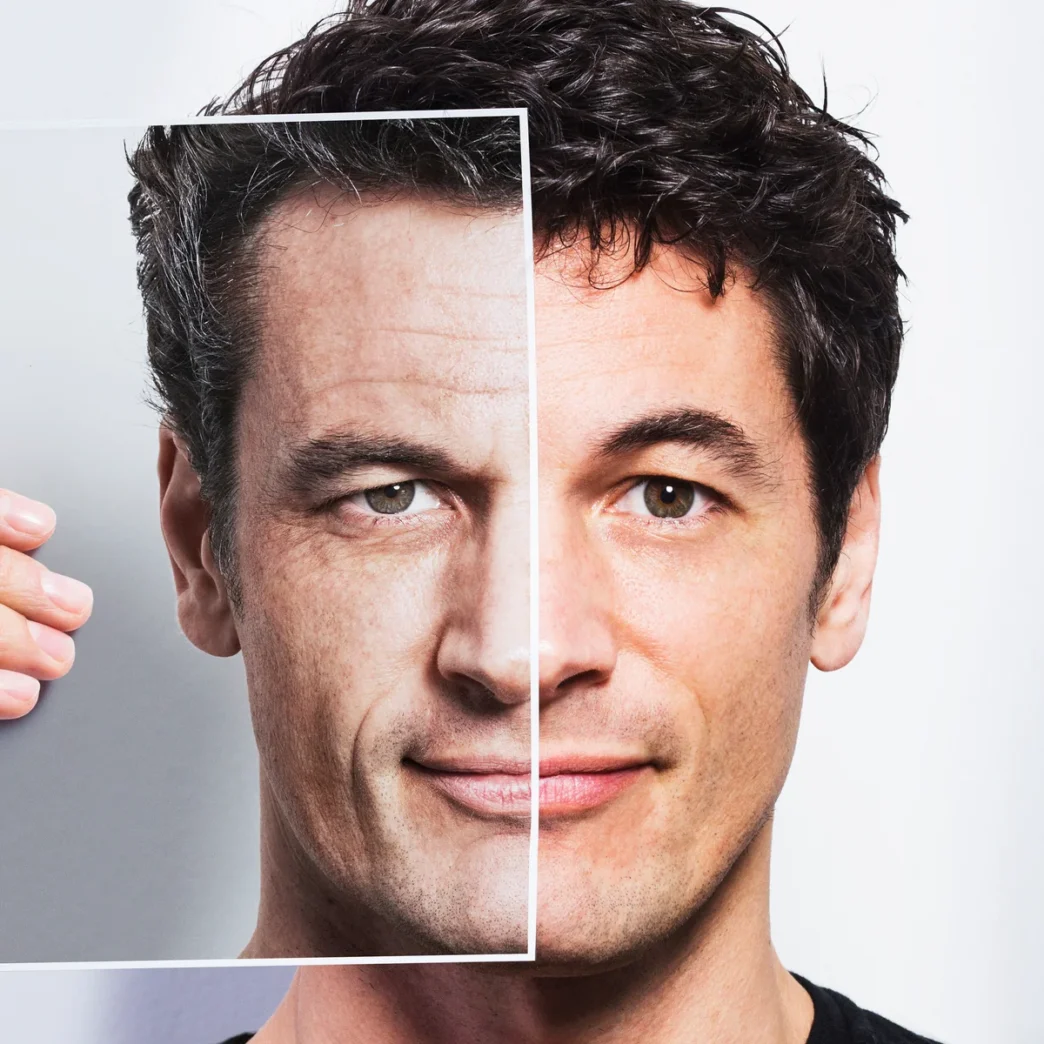
Scientists are now studying whether human aging can actually be reversed, not just slowed down.
The claim was recently discussed by Harvard researcher Dr. David Sinclair, whose work on longevity and anti-aging science has continued to attract global attention.
During a recent talk, Sinclair explained a theory his laboratory has been developing for years. According to him, aging may not happen because the body simply wears out over time. Instead, he believes the human body works more like a computer system that slowly loses its biological instructions.
Sinclair stated that aging is not simply “wear and tear” like an old machine breaking down. He explained that the body may actually lose important biological information over time. As a result, cells begin to malfunction and the body gradually weakens.
According to the Harvard scientist, the issue may be linked to what he described as damaged biological “software.” He believes that if researchers can successfully restore that information, some signs of aging might potentially be reversed.
Furthermore, studies connected to longevity science have already shown promising results in laboratory settings.
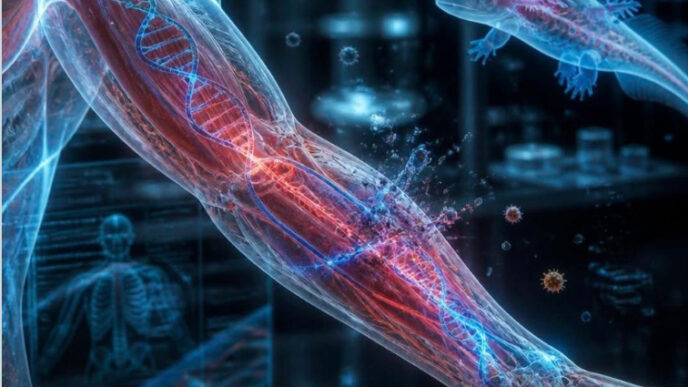
Researchers worldwide are now exploring gene therapy, cell repair technology, and biological reprogramming techniques. These methods are being tested to understand how cells age and whether damaged functions can be restored.
Instead of only treating diseases after they appear, scientists are focusing more on preventing age-related decline before it becomes severe.
However, experts have also warned that the research is still developing.
Large-scale human trials are still needed before any anti-aging treatment can be considered safe or effective for public use.
In addition, scientists continue to debate how far aging reversal technology can realistically go.