

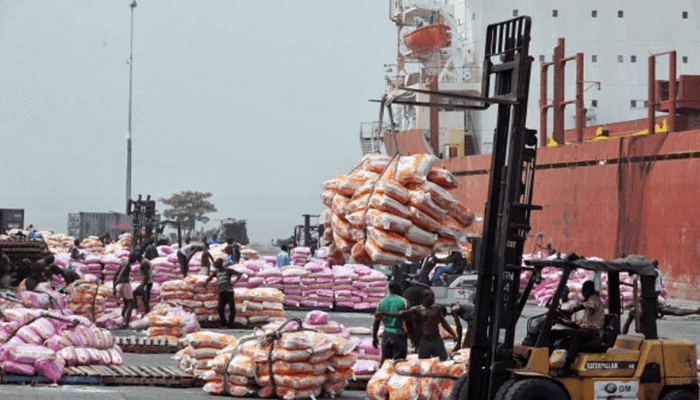
- Nigeria has taken a surprising economic turn as President Bola Ahmed Tinubu moves to limit imports from outside the ECOWAS region.
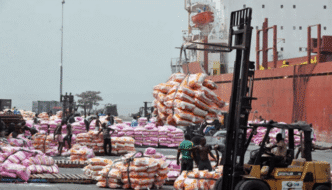
The decision, which affects goods like poultry, cement, drugs, and food items, has sparked widespread debate across the country and beyond.
According to discussions surrounding the policy, the government is pushing a clear message about economic direction. “Build Africa OR suffer shortages. Support local OR face rising prices. Trade within Africa OR stay dependent forever,” the statement read.
If production capacity is not increased, consumers could face higher costs and limited supply.
Moreover, the policy aligns with broader conversations about African economic independence. Leaders across the continent have often called for stronger intra-African trade.
Meanwhile, comparisons have been drawn with other African leaders who have advocated similar ideas. While some countries have discussed reducing dependence on foreign imports.
In addition, the policy could reshape trade relationships within West Africa. This could strengthen ECOWAS economies over time if managed properly.
However, there are risks involved. A sudden restriction on imports may disrupt markets, especially for essential goods. Consumers could feel the impact first, particularly in sectors where local alternatives are limited.