

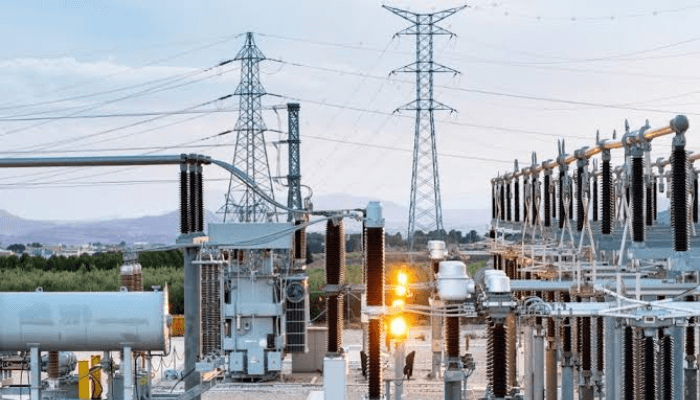
Lagos residents may soon face a completely different electricity system as the state begins a bold move away from the national grid.
The Lagos State Government has confirmed plans to begin rolling out 24-hour electricity franchise zones by October 2026.
Under the new arrangement, electricity users in Lagos are expected to pay the full cost of power supply.
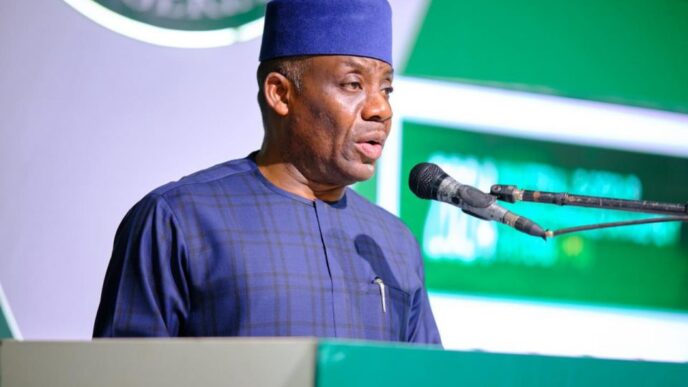
Speaking on the policy direction, Commissioner for Energy and Mineral Resources, Biodun Ogunleye, declared, “There is no subsidy in Lagos.”
The statement has sparked reactions because many residents have depended on subsidised electricity rates for years.
According to officials, Lagos is no longer waiting for improvements from the national grid. Instead, the state is gradually taking control of electricity generation, distribution, and pricing within its territory.
Meanwhile, the Lagos State Electricity Regulatory Commission, LASERC, is leading the reform process.
The agency said the new electricity structure would improve reliability, metering, and customer service.
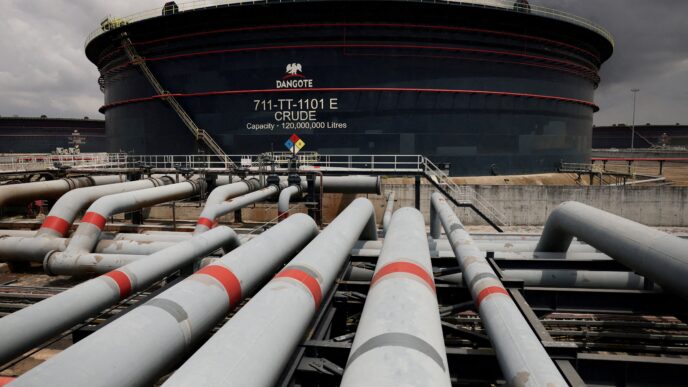
Officials explained that the current subsidy system has become too expensive to maintain. In 2024 alone, the Federal Government reportedly spent N1.95 trillion on electricity subsidies nationwide.
Lagos reportedly received a large share of that support. In December 2024 alone, the state benefited from about N48.7 billion in subsidy payments.
Moreover, government data suggested wealthier areas enjoyed most of the benefits. Communities such as Lekki and Ikeja GRA reportedly received better electricity access than poorer areas.
According to World Bank figures, 59.5 percent of subsidy spending benefited richer households. Meanwhile, the poorest residents reportedly received only 1.5 percent of the support.
Officials argued that the arrangement was unfair and could not continue indefinitely.
Furthermore, the subsidy programme was originally introduced in 2008 as a temporary measure during power sector reforms.
Band A customers already lost subsidy support in April 2024. However, consumers under Bands B to E continued enjoying frozen tariffs until recently.
The government now says every player in the electricity chain must be fully paid to keep the system stable.
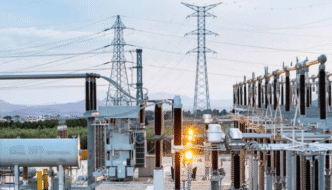
Governor Babajide Sanwo-Olu’s administration is also inviting investors into the growing Lagos electricity market. Smaller power plants producing between 200MW and 300MW are being encouraged.
In addition, underperforming electricity distributors could lose control of certain areas if service delivery remains poor.
LASERC also revealed plans to work with federal authorities on gas pricing for power producers operating within Lagos.
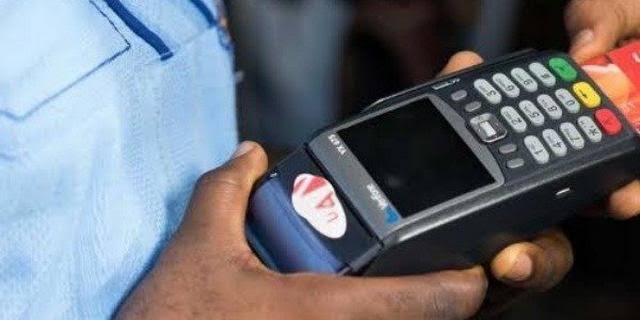
Several rollout phases have already been scheduled. From July 2026, a statewide metering campaign will begin to reduce estimated billing.
New consumer complaint centres are also expected to open in Ikorodu, Epe, and Amuwo Odofin between August and September 2026.
Meanwhile, October 2026 has been fixed for the launch of the first 24-hour electricity franchise zones. Authorities also plan to introduce the AI-powered “Electric Eye of Lagos” metering system.
Between October and December 2026, market guidelines for private operators are expected to be completed.
By 2030, Lagos aims to achieve 97.5 percent electricity availability with minimal system losses.
However, residents are still waiting for official tariff announcements. LASERC has not yet released a final price order for all customer bands.