

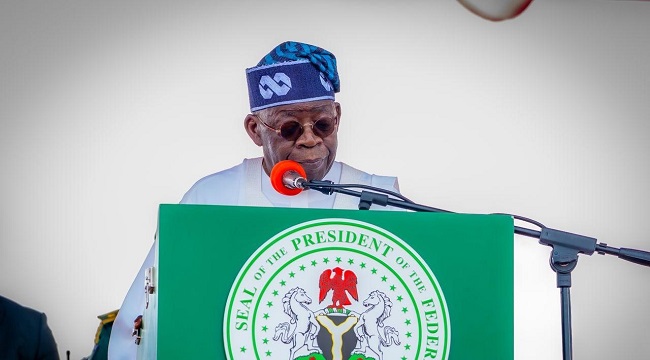
Fresh concerns over a possible Ebola outbreak have prompted swift action from the Federal Government. In a move many Nigerians did not expect, President Bola Ahmed Tinubu has approved a Presidential Task Force on Ebola Preparedness and Emerging Public Health Threats.
The decision comes as the Bundibugyo strain of the Ebola virus continues to spread from the Democratic Republic of the Congo.
Moreover, the President approved the immediate release of ₦10 billion to strengthen the country’s emergency response capacity. The funding will support the Nigeria Centre for Disease Control and Prevention (NCDC) and improve readiness for any public health threat.
According to a statement issued by presidential spokesperson Bayo Onanuga, the emergency intervention is aimed at preventing any potential health crisis before it reaches Nigerian communities.
The newly established task force will be chaired by the Chief of Staff to the President, Femi Gbajabiamila. In addition, representatives from key Ministries, Departments and Agencies will serve on the committee. State representatives will also participate in the national effort.
The approval followed a high-level meeting held to assess Nigeria’s level of preparedness. The gathering brought together officials from the Ministry of Interior, Federal Airports Authority of Nigeria, Nigeria Immigration Service, Nigerian Civil Aviation Authority, Lagos State Government, and other stakeholders.
Furthermore, President Tinubu directed states with international airports and major border routes to submit detailed preparedness plans. Funding requirements and intervention needs are also expected to be submitted for coordinated action.
Meanwhile, closer monitoring of passengers arriving through designated high-risk airline routes has also been approved. These routes include Air Uganda, RwandAir, Air Tanzania, TAAG Angola Airlines, Kenya Airways, and Ethiopian Airlines.
The task force was also directed to activate referral and isolation centers immediately in Lagos and Abuja airports.
In addition, a QR code-based health declaration system will be introduced for passengers arriving from high-risk countries.
Airport facilities will also be disinfected regularly. Departure halls, baggage areas, cargo sections, and other critical locations have been listed for precautionary sanitation measures.
Furthermore, security, aviation, and diplomatic authorities have been asked to review flight operations linked to affected countries. Specific airports or terminals may be designated for high-risk flights.
Authorities said flight schedules could also be adjusted where necessary. Therefore, interactions between high-risk passengers and other travelers can be reduced.
The government believes these proactive steps will help protect public health. It also aims to strengthen the country’s ability to respond quickly to disease outbreaks.
Mr. Onanuga explained that the measures form part of broader efforts to safeguard Nigerians. He noted that preparations are being intensified before any emergency situation develops.
The latest action highlights the growing importance of public health security.