


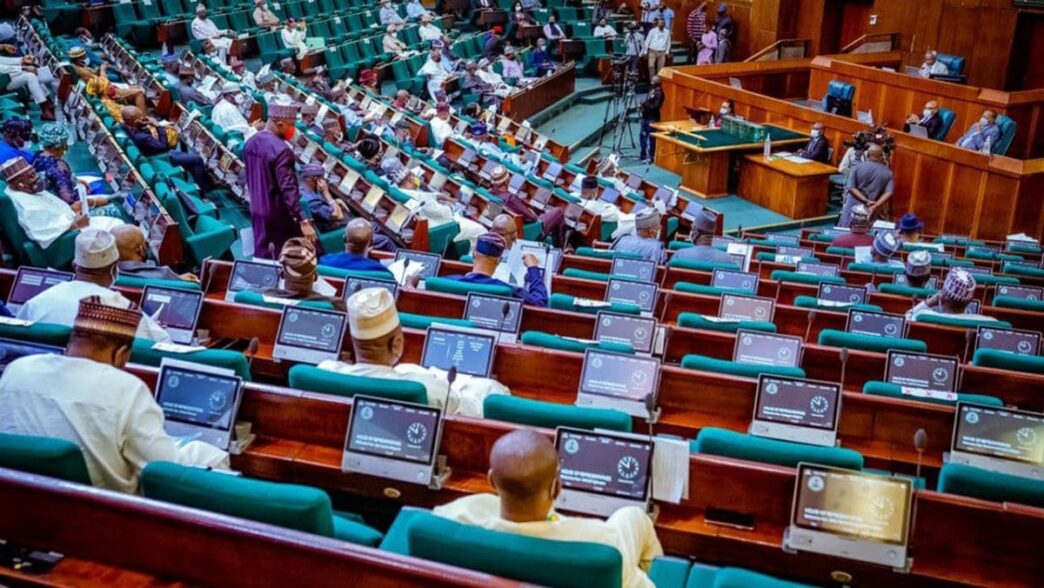
Tenants in Abuja could soon get relief from landlords demanding two years’ rent upfront. The House of Representatives has passed a bill seeking to limit advance rent payments to 12 months.
The proposed law also targets excessive agency and agreement fees. It aims to protect tenants from extra charges and unfair rental practices.
The bill, known as the Federal Capital Territory Advance Rent Regulation and Tenants’ Protection Bill, 2026, has passed its second reading.
It was sponsored by Paul Nnamchi, representing Enugu State, and co-sponsored by Ahmed Doro, representing Katsina State.
Under the proposed Abuja rent regulation bill, landlords, estate agents and property managers would be barred from demanding more than one year’s rent upfront.
The restriction would apply when tenants rent or renew residential and commercial properties.
The proposal also seeks to close loopholes used to collect extra payments.
Some landlords and agents reportedly add compulsory service charges, agreement fees and renewal costs. These charges can push tenants’ payments beyond one year’s rent.
Furthermore, the bill seeks to regulate agency and agreement fees. Some tenants have complained that these charges sometimes reach 25 per cent of the annual rent.
It also proposes a digital register for estate agents operating in the FCT. This would help authorities identify and monitor property agents.

The bill proposes establishing the FCT Rent Regulation and Tenants’ Protection Authority. The body would receive complaints, investigate reported violations and take action against offenders.
It would also have the power to order landlords to return illegally collected payments within 30 days.
The proposed penalties are also significant. “If any landlord or agent breaks the law, he could be fined between N500,000 and N5 million. If a company, the fine is from N5 million to N20 million,” the bill stated.
If passed into law, the measure could change how landlords and estate agents collect rent across Abuja.
It could also give tenants a formal channel to challenge excessive charges.
However, the bill is still going through the legislative process. Its provisions will only become enforceable after the required legislative stages and presidential assent.