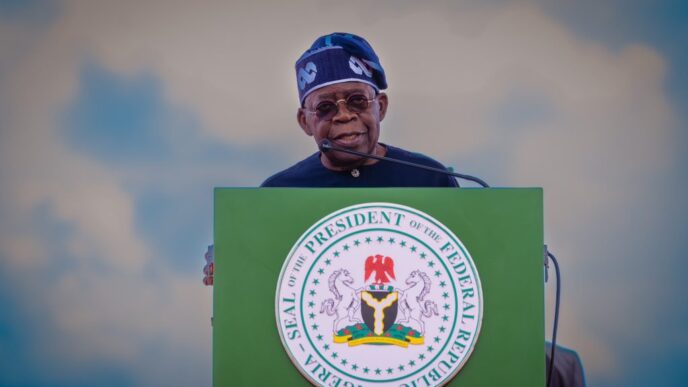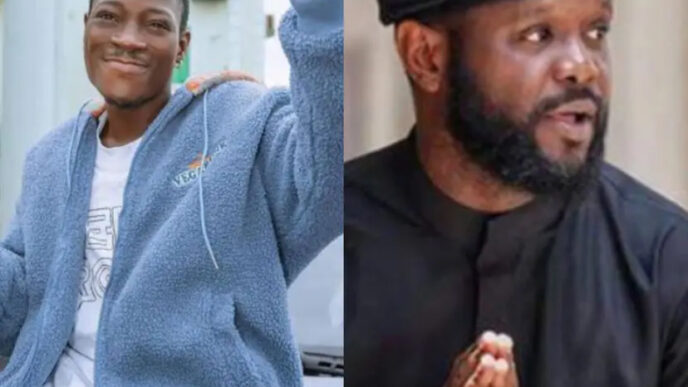



Zamfara State Governor Dauda Lawal has shared a deeply personal experience that has sparked fresh conversations about Nigeria’s kidnapping crisis.
The governor disclosed that he refused to pay a ₦300 million ransom after his brothers were kidnapped in 2019, insisting that giving in to criminals only fuels more abductions.
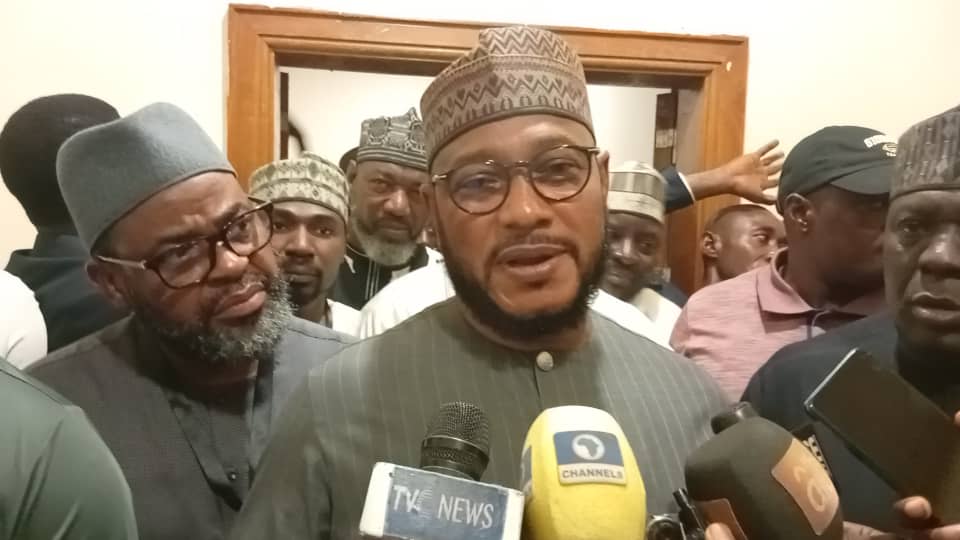
The revelation was made on Thursday during the ARISE News and THISDAY Townhall Conference in Abuja. Moreover, Lawal used the incident to defend his long-standing position against ransom payments and renew his call for the creation of state police.
His comments come as kidnapping continues to challenge many parts of Nigeria. However, the governor maintained that negotiating with kidnappers would only strengthen criminal groups and encourage future attacks.
Speaking about the painful experience, Lawal recalled how kidnappers demanded an enormous ransom after abducting his brothers. Despite the pressure, he insisted that he would not support a system that rewards criminal activities.
“My own brothers were k+dnapped in 2019, and these criminals were demanding at the time about 300 million. And I said, look, I’m not going to pay a dime. If you like, go and k+ll them.”
According to the governor, the kidnappers eventually released his brothers after three months without receiving any payment.
“By the time we continue to pay ransom to these people, we are encouraging them to be k+dnapping people more and more.”
He further stressed his position, saying:
“I will not negotiate, and I will not pay ransom to any criminal, no matter what happens.”
Furthermore, Lawal argued that his experience reinforced his belief that governments should focus on strengthening security rather than negotiating with criminal groups.
The governor also renewed his call for state police, saying governors are often blamed for insecurity despite lacking direct authority over security agencies operating in their states.
“In as much as I was called or I’m being called the chief security officer of the states, however, I don’t have the command and control structure to determine what happens or give instructions to some of these security officers.”
He questioned why many Nigerians continue to expect governors to solve security challenges without operational control over police formations.
“Why is it difficult for people to understand that my primary responsibility is the protection of lives and property, and I don’t have that control? How do you hold me accountable?”
Meanwhile, Lawal explained that the Zamfara State Government has continued to invest heavily in security despite those limitations.
According to him, more than 30 percent of the state’s resources have supported security operations over the past three years. In addition, the government has purchased over 500 operational vehicles for different security agencies.
The governor said the equipment includes 35 Armoured Personnel Carriers and Mine-Resistant Ambush Protected vehicles to improve security operations across the state.
Moreover, he revealed that Zamfara has expanded its security technology by acquiring both surveillance and attack drones.
“We bought drones, both surveillance drones and att@ck drones, to be able to aid the security forces in terms of fighting these criminals in their respective areas.”
The governor believes these investments have strengthened security operations. However, he insisted that greater success would only be achieved if states are given constitutional authority to manage their own police services.
Meanwhile, Lawal maintained that refusing to reward kidnappers remains one of the strongest ways to discourage the crime.
His remarks have once again placed the issues of ransom payments, state policing, and Nigeria’s security structure at the centre of national discussion as the country searches for lasting solutions to violent crimes.