

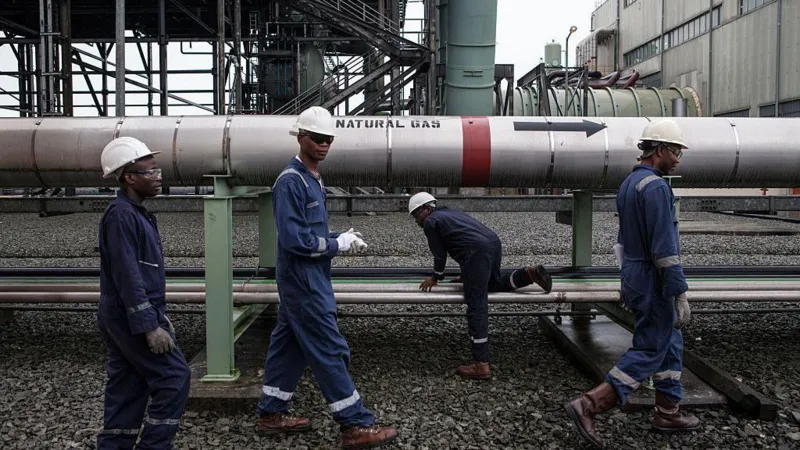
West African leaders have taken a major step toward one of Africa’s biggest energy projects after approving the agreement for the Nigeria-Morocco Gas Pipeline.
The decision, reached during the ECOWAS summit in Freetown, Sierra Leone, signals renewed momentum for the multi-billion-dollar project despite lingering funding and security concerns.
The approval is to strengthen regional cooperation and move the ambitious pipeline closer to construction. However, significant financial hurdles remain, as no lender has yet committed to funding the estimated $25 billion project.
If completed, the pipeline could reshape energy supply across West Africa. Moreover, it would improve access to natural gas, boost regional trade, and connect African producers with international markets through existing export infrastructure.
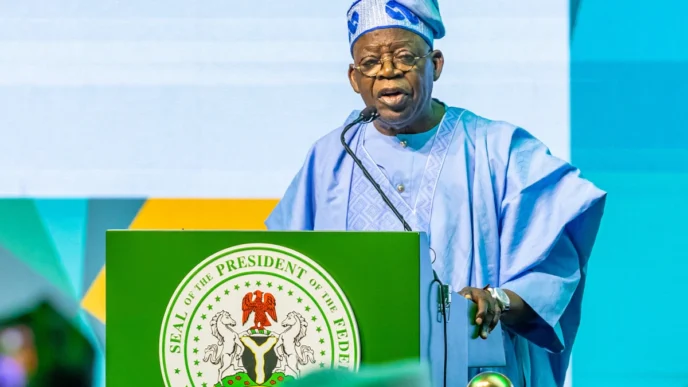
The agreement was signed during the ECOWAS summit by regional leaders and project partners.
It marks another important milestone in years of planning between Nigeria and Morocco.
According to project details, the pipeline will stretch for about 6,900 kilometres.
The route will pass through 13 coastal countries in West Africa before reaching Morocco.
Furthermore, the pipeline is expected to transport up to 30 billion cubic metres of natural gas each year.
A large share of the gas will serve regional markets.
Meanwhile, another portion will be linked to the Maghreb-Europe pipeline.
This connection is expected to strengthen exports to international markets. Following the latest agreement, project partners are preparing the next phase of implementation.
A project company is expected to be established in Casablanca.
In addition, a high-level pipeline authority will be created in Abuja.
Both institutions will coordinate the project and support investor engagement.
They are also expected to oversee preparations for the final investment decision.
However, financing remains the biggest challenge facing the project.
Although political support has increased, construction funding has not yet been secured.
No financial institution has officially committed to financing the pipeline.
Therefore, project developers continue to seek support from international investors and lending institutions.
Meanwhile, security concerns also remain along sections of the proposed route.
Some areas through which the pipeline will pass have experienced instability in recent years.
These security issues could affect future construction timelines. Moreover, international environmental regulations may also influence the project’s future.
Upcoming European Union methane rules could impact gas exports destined for European markets.
Despite these challenges, supporters believe the project could transform Africa’s energy landscape.
Improved access to natural gas could support industrial development across participating countries.
It could also reduce energy shortages while encouraging greater regional cooperation.
Furthermore, stronger energy links may attract additional investments into the region.
As discussions with investors continue, attention will now shift to securing funding and completing regulatory requirements.