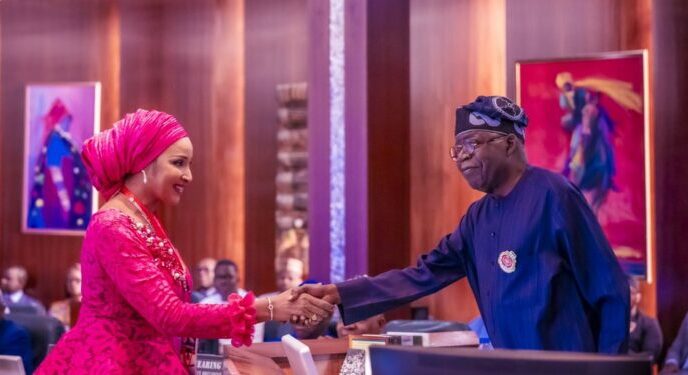


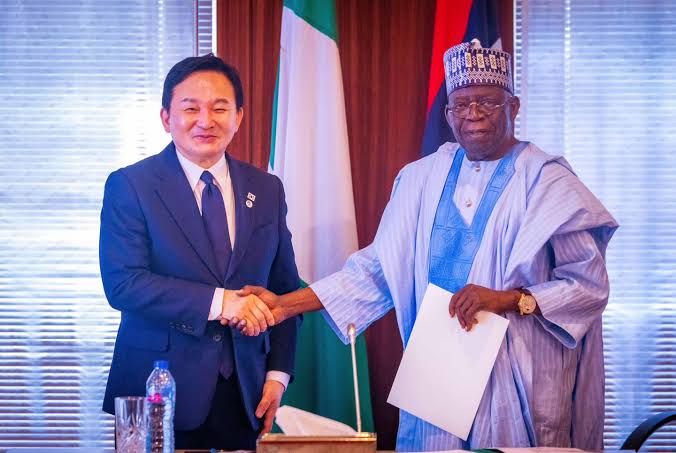
Nigeria and South Korea are entering a new phase in their relationship, with both nations gradually moving away from aid-based cooperation toward stronger economic and trade-driven ties.
The officials say this change reflects broader global realities rather than a sudden policy decision.
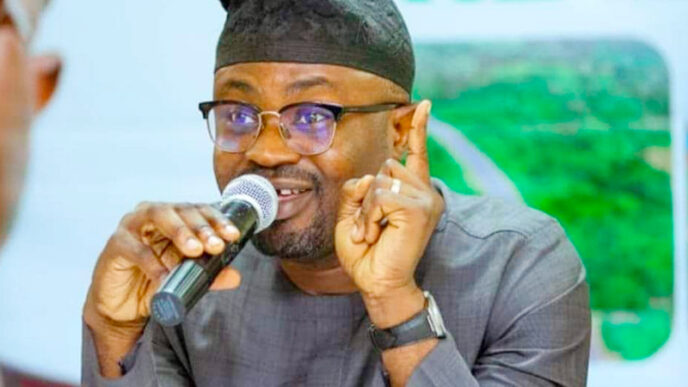
The development was highlighted during a joint seminar hosted by the Nigerian Institute of International Affairs and the Embassy of the Republic of Korea.
Speaking at the seminar, Korea’s Chargé d’Affaires, Tak Namgung, revealed that global Official Development Assistance dropped to about $174 billion in 2025. This represents a 23 percent decline.
Furthermore, aid to Sub-Saharan Africa is expected to fall even more, possibly by up to 28 percent.
Namgung explained that the old donor-recipient model is no longer practical in today’s economic climate.
“Meaningful cooperation must now be built on shared knowledge, strong institutions and mutual accountability,” he said.
He also pointed to South Korea’s development journey as an example. The country, he noted, focused on building strong systems, especially in digital governance.
However, he admitted that early growth came with trade-offs, including challenges in democratic governance and human rights.
“Economic growth and respect for human rights should not be pursued separately,” Namgung said.
Meanwhile, the Nigeria Korea economic partnership is also being strengthened through growing interest in critical minerals. South Korea depends heavily on imports for these materials, sourcing over 95 percent of its needs externally.
Nigeria, on the other hand, has large reserves of lithium, graphite, and other key resources.
Moreover, Namgung stressed that long-term success will require more than just extracting resources.
“Sustainable industrial development depends on transparency, trust and strong institutions,” he said.
In addition, South Korean companies have maintained a steady presence in Nigeria. Firms like Daewoo Engineering & Construction have worked on infrastructure projects for years.
Technology companies such as Samsung and LG are also active, contributing to skills development and industrial growth. Meanwhile, the Korea International Cooperation Agency continues to support digital governance projects.