


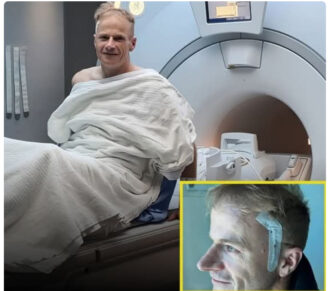
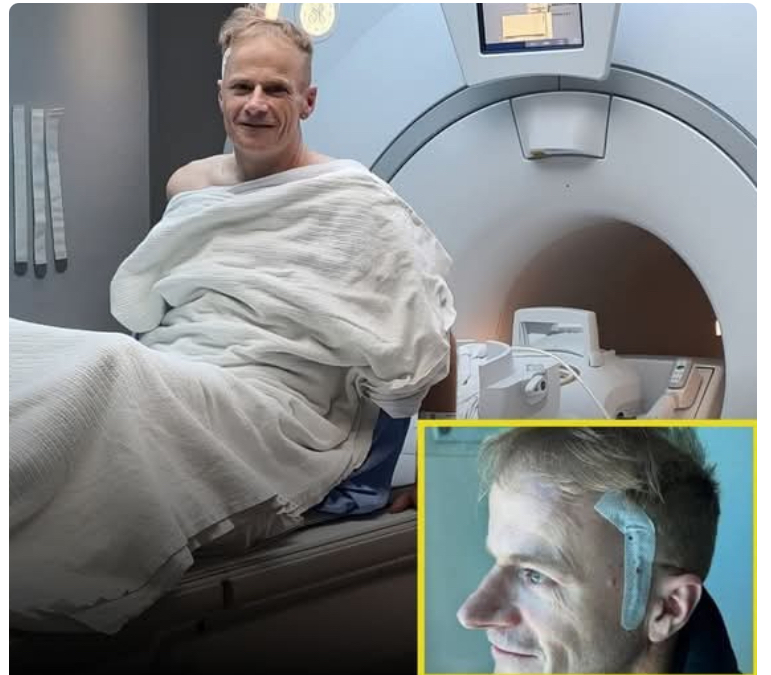
In a story that has stunned the global medical community, world-renowned melanoma specialist Professor Richard Scolyer chose an extraordinary path after being diagnosed with terminal brain cancer.
Instead of accepting the devastating prognosis, he volunteered to become the subject of his own experimental treatment, hoping his battle would help save future lives.
The decision surprised many because glioblastoma is one of the deadliest forms of brain cancer. Most patients survive only a short time after diagnosis. However, Professor Scolyer refused to give up, placing his trust in years of scientific research and medical innovation.
His courageous decision has now become one of the most talked-about stories in cancer research. Moreover, the Richard Scolyer brain cancer treatment has provided scientists with valuable information that could shape future treatments for one of medicine’s greatest challenges.
Professor Scolyer was already respected worldwide for his groundbreaking work in melanoma research before his own diagnosis changed everything.
After learning he had terminal glioblastoma, he worked closely with fellow researchers to create a highly personalised treatment plan.
Rather than following only traditional treatment methods, he agreed to receive an experimental combination therapy that had never been used in exactly the same way before.
The treatment included a triple immunotherapy approach that he helped develop during his years of research.
Furthermore, he underwent surgery to remove the tumour before receiving a personalised cancer vaccine designed specifically for his condition.
The vaccine was created to help his immune system recognise and attack the remaining cancer cells.
Meanwhile, doctors closely monitored every stage of his treatment because the findings could influence future medical research.
Against the odds, Professor Scolyer survived for about three years after receiving his diagnosis.
That survival period exceeded the average life expectancy for many people diagnosed with glioblastoma.
Consequently, researchers gained valuable clinical information that may improve future treatment options.
His case has since become an important reference point for scientists studying immunotherapy and brain cancer.
Moreover, the lessons learned from his experience have inspired additional clinical trials involving similar treatment methods.
Instead of relying on a single treatment, doctors combined several advanced therapies tailored to his unique tumour.
In addition, his willingness to participate in experimental medicine has encouraged researchers to continue exploring new approaches.
Although the disease eventually claimed his life, his contribution to medical science continues to make an impact.
Researchers say his bravery helped accelerate studies that may benefit future generations.
His work also highlighted the importance of collaboration between scientists, doctors and patients.
Furthermore, his personal sacrifice demonstrated that medical breakthroughs often require extraordinary courage.
Around the world, Professor Scolyer is remembered as more than a respected cancer specialist.
He is also recognised as a scientist who placed himself at the centre of his own research in the hope of advancing medicine.
His legacy extends beyond melanoma research into the wider field of cancer treatment.
Meanwhile, ongoing clinical trials continue to build upon the knowledge gained from his experience.