

Nigeria’s economic direction received a major boost after the International Monetary Fund (IMF) gave a positive assessment of the country’s ongoing reform programme.
In a development, the Federal Government said the latest IMF report confirms that recent policy changes are helping to strengthen the economy. Moreover, officials insisted that the reforms are laying the foundation for long-term growth despite global economic uncertainty.
The endorsement comes at a time when many Nigerians continue to face economic pressure. However, government officials argue that key indicators are beginning to show signs of improvement.
According to a statement released on June 9, 2026, the Federal Government welcomed the IMF’s 2026 Article IV Mission Concluding Statement, describing it as independent validation of ongoing efforts to stabilize the economy.
The government noted that the IMF highlighted improvements in several critical areas. These include the foreign exchange market, public finances, banking sector stability, and external reserves.
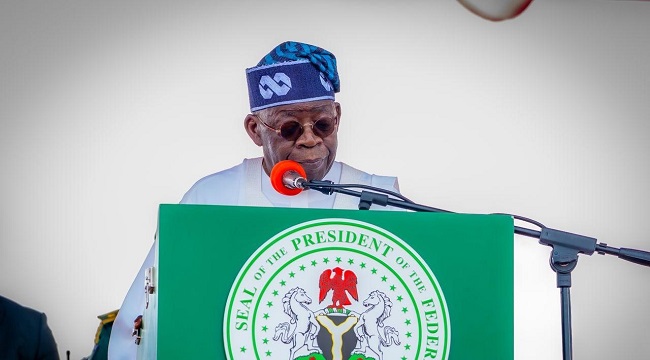
Officials said these gains reflect the impact of difficult policy decisions taken under President Bola Ahmed Tinubu’s administration. Furthermore, they stressed that reforms such as fuel subsidy removal, exchange rate liberalization, and stronger fiscal discipline have reduced economic vulnerabilities.
The statement emphasized that Nigeria is now in a stronger position to handle global economic shocks.
“The report provides further independent validation that the bold and necessary reforms undertaken under the leadership of President Bola Ahmed Tinubu, GCFR, are strengthening macroeconomic stability, restoring confidence, and laying the foundation for sustainable and inclusive growth.”
Meanwhile, the government acknowledged concerns arising from the recent Middle East conflict. Rising energy prices and supply chain disruptions have created fresh challenges worldwide.
The IMF reportedly observed that investor confidence has remained stable. In addition, the foreign exchange parallel market premium has stayed below five percent, even as global conditions remain uncertain.
The Federal Government also highlighted potential opportunities from higher oil prices. According to officials, stronger export earnings and increased foreign exchange inflows could support further economic growth.
Furthermore, investments are being directed toward crude oil production, gas exports, and domestic refining capacity. These efforts are expected to strengthen revenue generation and create employment opportunities.
Despite the positive outlook, authorities admitted that poverty and food insecurity remain serious concerns.
“The Government acknowledges the IMF’s observation that poverty and food insecurity remain significant challenges.”
As a result, several social intervention programmes are being expanded. These include direct cash transfers, student loans through NELFUND, healthcare support, consumer credit schemes, and assistance for small businesses.
In agriculture, additional investments are being made to improve food production. Moreover, irrigation projects, mechanized farming, and better access to financing are expected to boost rural incomes and strengthen food security.
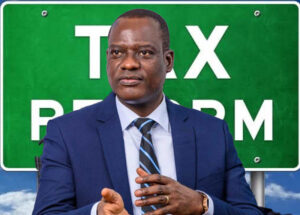
The Nigeria economic reforms agenda also received praise for progress in tax collection and public finance management. Furthermore, digital revenue systems and transparency measures have been introduced to improve accountability.
The government said it is already addressing IMF recommendations on budget transparency and fiscal reporting.
Looking ahead, the IMF projects economic growth above four percent over the medium term. In addition, stronger reserves, increased investment, and rising government revenues are expected.
“While challenges remain, the direction is clear and the foundations are stronger. The ultimate objective of these reforms is not merely improved economic indicators, but better outcomes for every Nigerian – lower inflation, decent jobs, higher incomes, greater economic opportunity, and a better quality of life.”