


For decades, HIV has remained one of the world’s most difficult viruses to defeat completely.
The virus hides deep inside human DNA, making it extremely hard to remove from the body.
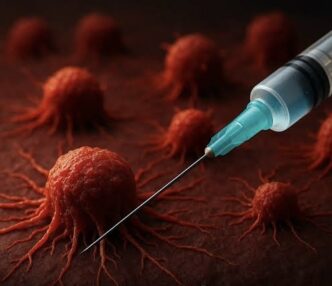
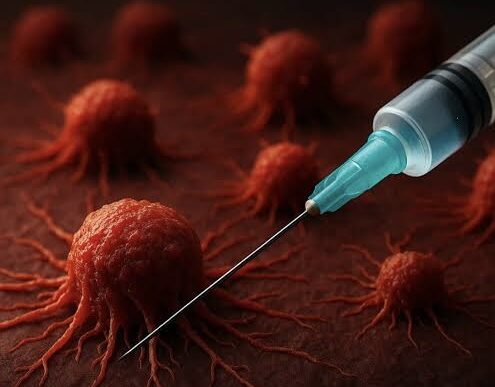
Researchers using CRISPR gene-editing technology have reportedly succeeded in cutting HIV DNA out of infected cells during early-stage studies.
In addition, some animal experiments showed that the virus did not return after treatment.
Although scientists have warned that the research is still in its early stages, many believe the discovery could transform the future of HIV treatment.
The major breakthrough centers around the use of CRISPR, a powerful gene-editing tool that allows scientists to target and remove harmful genetic material.

According to reports published by AIDSmap and CRISPR Medicine News, researchers have made progress toward removing the virus from infected cells.
One report stated, “CRISPR gene therapy EBT-101 does not prevent HIV viral rebound.” However, scientists noted that the technology still showed encouraging signs during testing.
However, HIV treatment has improved greatly over the years. Today, many patients live healthy lives through antiretroviral therapy. Nevertheless, the virus still cannot be fully removed from the body using current medicine. For now, researchers continue to test and improve the technology.