

Tensions are rising again inside Iran as authorities warn that protesters could now be treated as enemies of the state. The latest warning has raised fears that another Iran protest crackdown could unfold as the Middle East conflict continues to escalate.
Iran’s national police chief, Ahmad-Reza Radan, issued the strong warning during a statement broadcast on state television. His remarks came as authorities expressed concerns that anti-government demonstrations could return.
According to Radan, anyone supporting Iran’s enemies during protests would face severe consequences.
“If anyone comes forward in line with the wishes of the enemy, we will no longer see them as merely a protester, we will see them as an enemy,” Radan said.
He added that the response from security forces would be direct and forceful.
“And we will do to them what we do to an enemy. We will deal with them in the same way we deal with enemies,” he said.
Authorities say security agencies across the country are fully prepared to prevent any demonstrations from spreading. Radan stressed that the police and other forces were already positioned to defend the government and its political system.
“All our forces are also ready, with their hands on the trigger, prepared to defend their revolution,” he said.
Meanwhile, the warning comes at a delicate moment for Iran. The country is currently facing economic pressure due to international sanctions and ongoing geopolitical tensions. However, the government has made it clear that protests will not be tolerated if they threaten national stability. Iran witnessed major unrest earlier this year. Large protests erupted in January after months of public frustration over economic conditions.
Demonstrators took to the streets in several cities. Many were protesting rising prices, unemployment, and the broader economic hardship facing the country.

However, authorities described the protests as riots. Security forces were deployed across multiple regions to restore order. At the time, Radan had also warned demonstrators to surrender or face strict punishment under the law. According to Iranian officials, more than 3,000 people died during the unrest. Authorities said the casualties included security personnel and civilians caught in violence.
The government insisted that the deaths were caused by “terrorist acts” supported by Iran’s foreign enemies.
However, human rights groups offered a different picture. The US-based Human Rights Activists News Agency (HRANA) reported a much higher death toll. The organization said more than 7,000 people may have been killed during the protests.
In addition, HRANA reported that more than 50,000 people were arrested during the Iran protest crackdown. Meanwhile, the political climate has become more complicated due to the ongoing conflict involving Iran, the United States, and Israel.
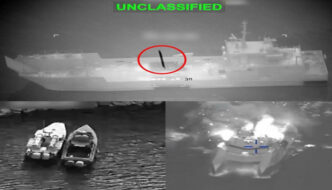
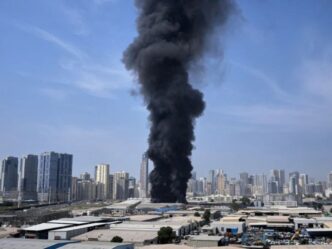
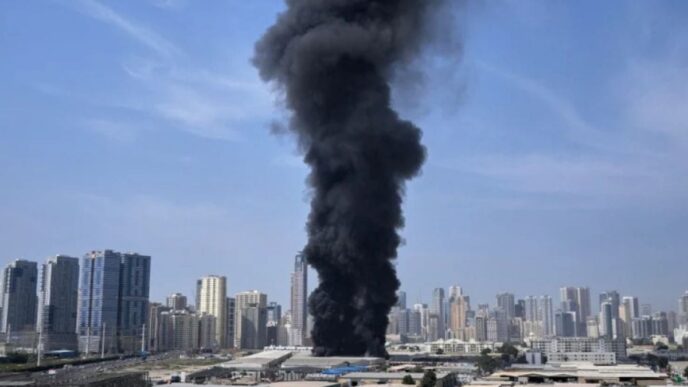
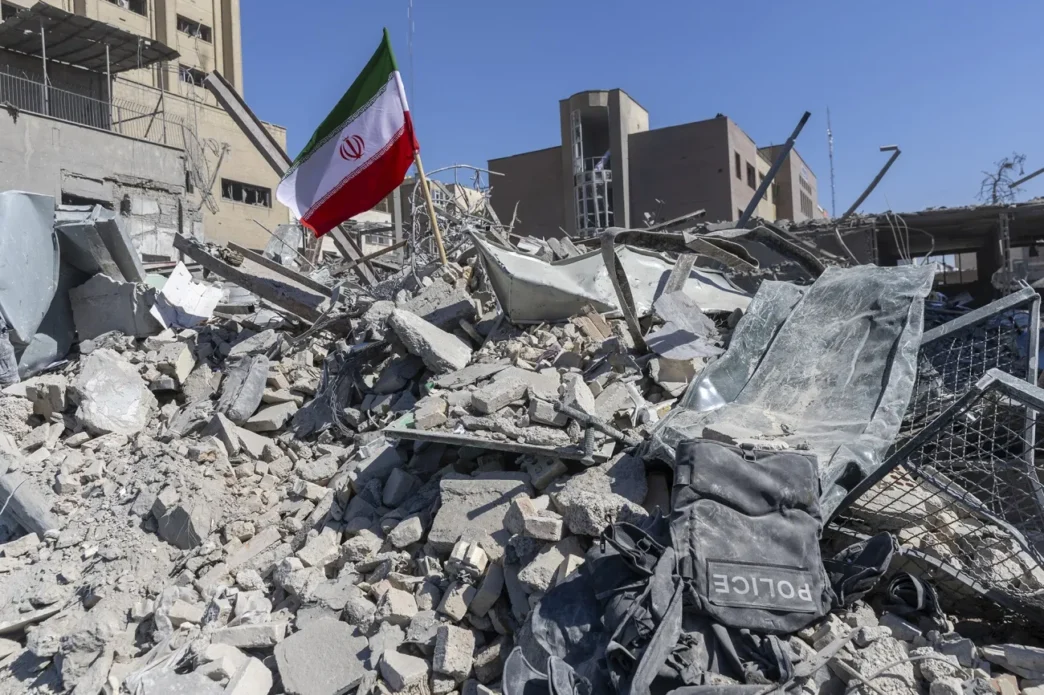
The crisis escalated after Washington launched military strikes alongside Israel on February 28. The attacks targeted Iranian positions, triggering retaliatory strikes by Tehran.
Iran responded by launching missile attacks against Israel and US military bases located across the Gulf region. At the early stage of the protests, US President Donald Trump publicly supported Iranian demonstrators. He also threatened possible intervention on their behalf.
However, the focus later shifted toward Iran’s nuclear program and broader regional security concerns. Moreover, the government appears determined to prevent a repeat of earlier demonstrations.
Authorities believe foreign powers could use protests to weaken the country. As a result, security forces have been instructed to act quickly against any perceived threat.