

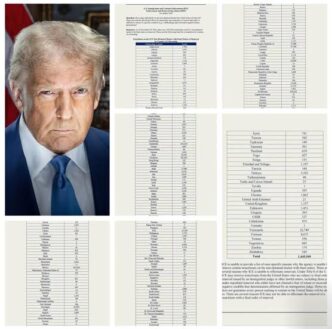
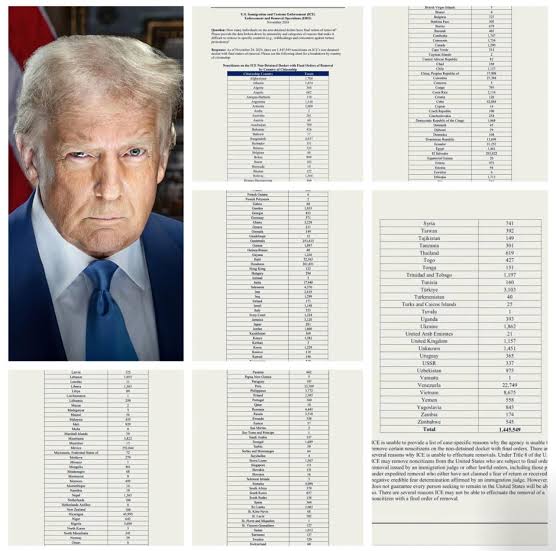
The United States has unveiled a new list of 124 Nigerians marked for deportation. The announcement came as U.S. authorities renewed efforts to remove foreign nationals convicted of serious crimes, placing the affected Nigerians among those described as the “worst of the worst.”
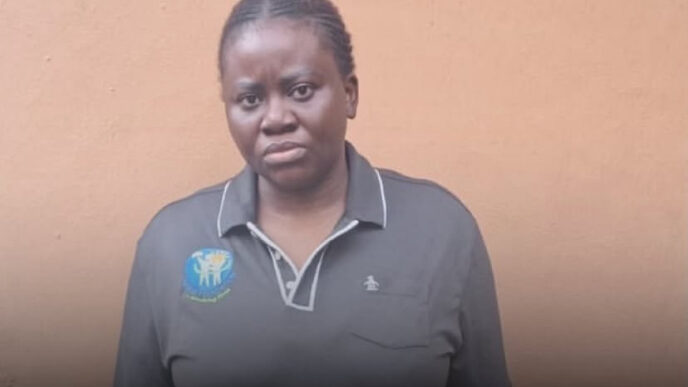
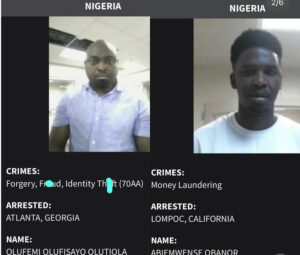
The latest development has raised concerns among many Nigerians, especially because the U.S. Department of Homeland Security (DHS) publicly released the names and photographs of those listed. However, the agency did not disclose the specific offences committed by each individual or provide a timeline for when the deportations will begin.
According to the DHS, the deportation exercise is being coordinated by the U.S. Immigration and Customs Enforcement (ICE). The agency explained that those on the list had already been convicted of serious criminal offences before being scheduled for removal.
In a statement announcing the latest action, the department said, “The hardworking men and women of DHS and ICE are fulfilling President Trump’s promise and carrying out mass deportations, starting with the worst of the worst.”
Although the agency confirmed that the individuals were convicted criminals, it did not state the exact offences linked to each person.
Among those listed are Sunday Adediora, Marcus Unigwe, Ejike Asiegbunam, Emmanuel Mayegun Adeola, Joshua Ineh, Usman Momoh, Oludayo Adeagbo, Olamide Jolayemi, Kingsley Ariegwe, Patrick Onogwu, Kenneth Unanka, Uche Diuno, Boluwatife Afolabi, Henry Idiagbonya, Chukwuemeka Okorie, Chima Orji, Abdul Akinsanya, Chibuzo Nwaonu, and several others.
Furthermore, U.S. officials said the latest deportation effort forms part of broader immigration enforcement measures introduced after President Trump returned to office on January 20, 2025.
Following his inauguration, Trump signed several executive orders that declared illegal immigration a national emergency. In addition, the orders strengthened border security and directed immigration authorities to prioritise the arrest and removal of undocumented migrants considered threats to public safety or national security.
Meanwhile, the administration has consistently defended the policy, arguing that its primary focus is the removal of individuals convicted of criminal offences rather than targeting lawful immigrants.
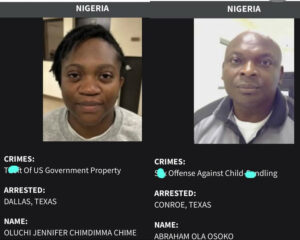
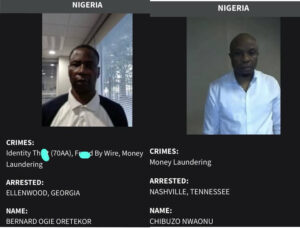
The US deportation of Nigerians also comes as immigration enforcement expands beyond Latin America. According to the DHS, deportation flights are now being extended to Africa, Asia, and the Caribbean as part of a wider global operation.
Moreover, the latest action demonstrates the administration’s commitment to enforcing immigration laws through coordinated operations involving ICE and other federal agencies.
The publication of names and photographs has generated discussions across social media, with many people seeking more information about the individuals involved.
Nevertheless, U.S. authorities have maintained that privacy considerations and ongoing legal processes prevent the release of additional case details.