

The United States is planning for military bases to survive 90 days without outside support if war disrupts essential services.
Meanwhile, Britain is urging families to stock food, water and cash for emergencies.
The two countries are strengthening their emergency plans amid growing concerns about cyberattacks, sabotage and possible conflicts. However, neither government has said a major war is imminent.
The United States wants military installations to maintain essential operations during prolonged power cuts and supply disruptions.
Britain, meanwhile, wants households to prepare for at least three days without basic services.
The Pentagon’s FORTRESS initiative aims to strengthen military bases against disruptions to electricity, water, fuel and communications.
The plan could require major installations across the continental United States to operate independently for 90 days.
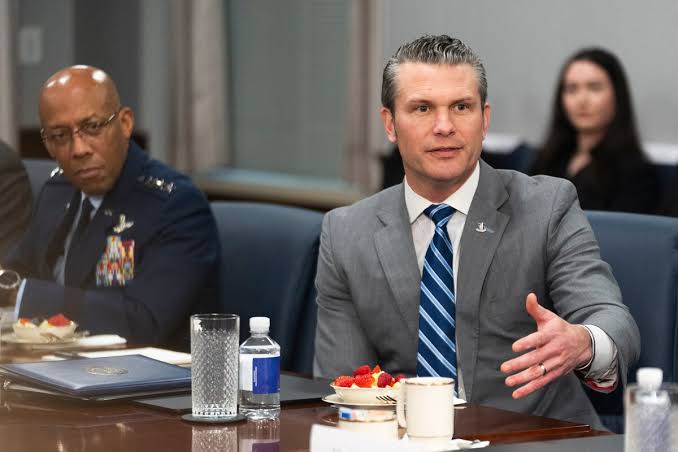
Pentagon chief spokesperson Sean Parnell highlighted the importance of reliable electricity during a potential conflict.
“Power is combat now,” Parnell said. “Without electricity, you lose communications, water, logistics, assembly lines and just basic military command structures.”
The plan includes backup power systems, battery storage and small nuclear reactors.
It also proposes reserves of fuel, ammunition, medical supplies and spare parts.
Military planners are also considering alternative suppliers and commercial factories that could produce defense equipment during emergencies.
However, the programme could take decades to complete, a full cost estimate and final timeline have not been released.
While the United States focuses on military readiness, Britain is asking households to prepare for possible disruptions.
Its Be Ready campaign recommends keeping drinking water, food that requires no cooking, flashlights, power banks and first-aid supplies. Families are also encouraged to keep cash and emergency supplies for pets.
The guidance recommends three
litres of drinking water per person daily; this would help households manage if electricity, transport or payment systems stopped working temporarily.
Britain’s Defence Secretary, Wes Streeting, has also warned about rising security risks. He pointed to hostile states, cyberattacks and other threats that could affect national safety.
“To prevent the worst, we have to prepare for it,” Streeting wrote.
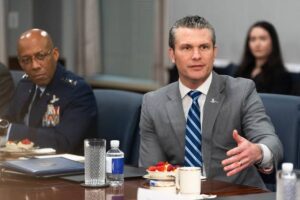
Western governments have raised concerns about cyberattacks targeting power networks, transport systems, and water supplies.
Such attacks could disrupt daily life even without direct military action.
US agencies previously warned that Chinese state-backed hackers had accessed networks linked to critical infrastructure. Britain has also reported cyber incidents involving essential services.
The US and UK emergency preparedness plans reflect growing concern about these risks. However, officials have not said the measures mean war is certain.
Instead, both countries are encouraging greater readiness for unexpected emergencies, from cyberattacks to prolonged power failures.