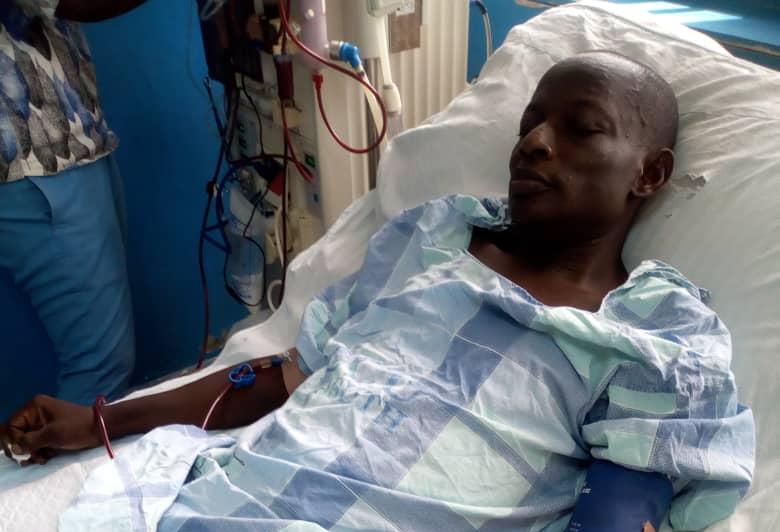




Africa CDC Director-General Dr Jean Kaseya has raised concerns over the lack of an approved vaccine for the current Ebola strain.
Kaseya blamed what he described as partners’ view of Ebola as an African problem, he said this had contributed to the limited vaccine options for the Bundibugyo strain.
Speaking on Channels Television’s The Morning Brief on Thursday, he questioned whether the response would be different if the outbreak affected Western countries.
“If this outbreak was in Western countries, vaccines would already be available,” he said.
The current outbreak involves the Bundibugyo strain of the Ebola virus. Unlike the strain behind the 2014–2016 West Africa epidemic, it has no licensed vaccine.
The vaccine Ervebo is approved for preventing Ebola caused by the Zaire ebolavirus species.
However, it does not provide an approved vaccine option for the Bundibugyo strain.
Kaseya disclosed that Africa CDC had started clinical trials for potential vaccines. One candidate targeting the Bundibugyo strain was reportedly developed in Egypt.
The absence of an approved vaccine remains a major concern for health officials. Research and clinical trials are important steps towards finding safe and effective protection against the strain.
Kaseya described the outbreak as geographically widespread, affecting three African regions.
The information provided in reports also cited more than 9,500 infections and about 4,600 deaths in the Democratic Republic of Congo alone.

Nigeria also confirmed a case involving a woman who arrived from Uganda on October 3. Following the confirmation, health authorities placed 44 contacts under monitoring.
The response includes tracking people who may have been exposed and watching for symptoms.
Health officials continue to stress early reporting and measures to limit further transmission.
The Bundibugyo Ebola strain presents a challenge because no vaccine has been licensed specifically for it.
Until effective options become available, surveillance, infection prevention and timely medical care remain important.