


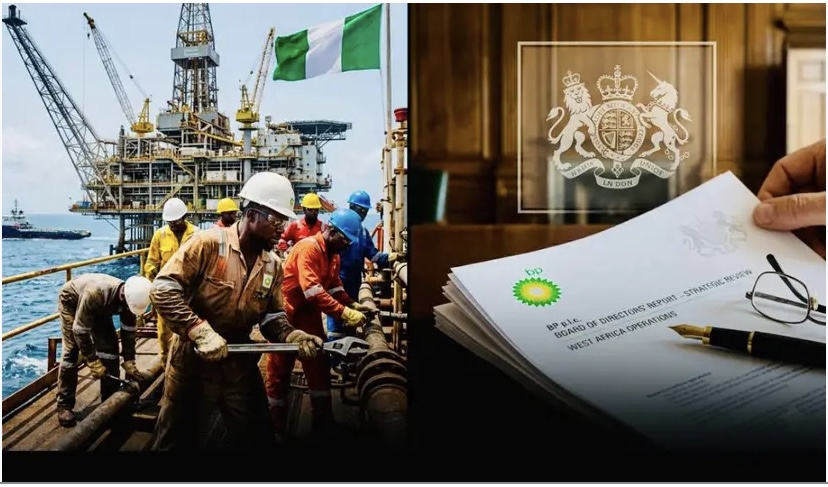
Fresh concerns have emerged over Nigeria’s oil sector, as attention turns to alleged long-standing agreements linked to the country’s colonial past.
Nigeria produces about two million barrels of oil daily, generating significant revenue. However, questions are now being raised about who truly benefits from this output.
These contracts were allegedly created under British colonial rule, when Nigeria had limited negotiating power.
According to claims circulating, foreign companies secured extraction rights under terms that have remained difficult to reverse.
“British Petroleum still controls extraction rights to some of Nigeria’s most valuable oil fields. Not through conquest. Through contracts signed before 1960-before Nigeria was even independent.”
Moreover, these arrangements have been described as long-term and binding.
“They locked the country into long-term deals that favored British corporations. And because international law protects contract sanctity, Nigeria can’t just break them without facing crippling legal and financial consequences.”
Meanwhile, similar concerns have been raised across other African countries. In addition, systems tied to foreign influence, such as currency structures and debt arrangements, have been mentioned in ongoing discussions.
“This isn’t ancient history. It’s current policy.”
However, they note that Nigeria has also entered modern agreements after independence, which influence the current oil structure.
In addition, partnerships with global firms are often seen as necessary for investment and technical support.
“They call it business. Others call it neocolonialism.”
Therefore, the conversation is expected to continue as more attention is given to these alleged agreements.




It’s honestly wild to think that decisions made in a room in the 1950s—by people who might not even be alive today—are still dictating the bank balance of a sovereign nation in 2026.
There’s a specific kind of frustration in that “locked-in” feeling. On one hand, you want to be a “responsible” player in the global market and respect contracts so investors don’t flee. On the other hand, how can a contract be truly fair if one of the parties wasn’t even a country yet when it was signed?
It feels less like a business deal and more like a “pre-installed app” on a phone that you’re not allowed to delete, even though it’s draining your battery and you never asked for it. It really makes you wonder what “independence” actually looks like if the pipes under the ground are still legally tied to the old map.