



Nigeria’s new tax reform laws have come under fresh scrutiny after the Minister of State for Finance, Taiwo Oyedele, confirmed that errors were discovered in the legislation.
However, officials insist that corrective action is now in motion.
Oyedele made the disclosure while speaking at the 2026 annual conference of the Nigerian Bar Association in Abuja. His remarks were later confirmed in a statement released by the Presidential Fiscal and Tax Reforms Committee.
Meanwhile, he explained that inconsistencies emerged during the drafting and review stages of the law. According to him, procedural gaps contributed to the mistakes recorded.
Oyedele stated, “That errors occurred due to manual processes and multiple stages of review” in the drafting and legislative process.
Furthermore, he assured stakeholders that the government is already working on a solution. A proposed finance bill is expected to correct the identified issues.
“What we need is a more transparent and reliable legislative process where every version of a law is publicly available,” he said.
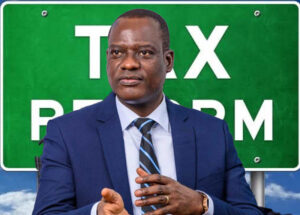
In addition, he stressed that the reforms were not designed to be enforced arbitrarily. The policy, he noted, is based on transparency, fairness, and clear intent.
“If policies can change overnight, it sends the wrong signal to investors. Consistency is critical,” Oyedele added.
Meanwhile, concerns over the tax laws are not new. Earlier reports had suggested that different versions of the legislation were circulating.
In December 2025, a lawmaker from Sokoto State, Abdussamad Dasuki, raised alarm over inconsistencies in the documents. His claims triggered further legislative review.
Therefore, the National Assembly set up a committee to investigate the alleged discrepancies. The review process is still ongoing.
Moreover, the new tax laws officially took effect on January 1, 2026, after being signed in June 2025. This has added urgency to resolving the errors quickly.