

DUBAI — The United States and Israel carried out a series of deadly Iran airstrikes on Monday, killing over 25 people and targeting the South Pars natural gas field.
Iranian forces responded with missile attacks on Israel and Gulf Arab neighbors.
Explosions were reported across Tehran, with thick black smoke rising near Azadi Square after an airstrike hit Sharif University of Technology.
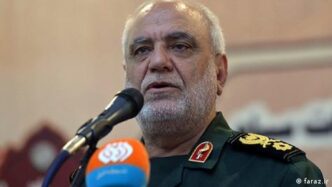
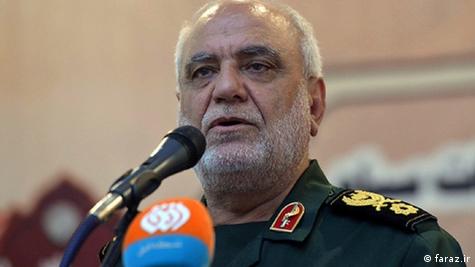
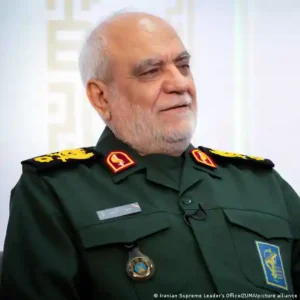
Low-flying jets were heard for hours as panic spread through the capital. According to Iranian state media, Maj. Gen. Majid Khademi, head of intelligence for Iran’s paramilitary Revolutionary Guard, was among those killed.
Meanwhile, attacks on South Pars, the world’s largest shared gas field, were reported by Iranian media.
Although no immediate responsibility was claimed, Israel had previously warned against further strikes, while President Trump threatened, “you’ll be living in Hell” if Iran did not reopen the Strait of Hormuz.
“Iran’s leaders live with a sense of being targeted,” said Israeli Defense Minister Israel Katz. “We will continue to hunt them down one by one.”
In retaliation, Iranian missiles struck Haifa in northern Israel, killing four people. Gulf neighbors, including Kuwait, UAE, and Saudi Arabia, activated air defenses to intercept the attacks.
The ongoing strikes have disrupted energy infrastructure, contributing to rising global oil prices.
Efforts at diplomacy continue. Mediators from Egypt, Pakistan, and Turkey circulated a proposal calling for a 45-day ceasefire and the reopening of the Strait of Hormuz. European Council President António Costa urged negotiations, writing that “any targeting of civilian infrastructure, namely energy facilities, is illegal and unacceptable.”
Additional casualties were reported across Iran, with 15 killed near Eslamshar and five more in Qom. Airstrikes in Lebanon targeted Hezbollah-linked positions, killing three in Ain Saadeh, including a Christian political figure.
More than 1,900 people have died in Iran since the conflict began, with over 1,400 dead in Lebanon and more than one million displaced. The conflict continues to escalate, with the world closely watching the potential for wider regional impact.