

In what sounds like a scene from a science fiction movie, doctors in Australia are now freezing cancer tumours into solid ice balls to destroy them without traditional surgery.
The breakthrough treatment, known as MRI-guided cryoablation, is offering new hope to patients living with painful and difficult-to-treat tumours. Moreover, the technology is changing how some cancers and abnormal growths are managed by reducing pain, recovery time, and the need for major operations.
Unlike conventional surgery, which often involves large cuts and long hospital stays, this innovative procedure uses extreme cold to target tumours with remarkable precision.
Medical experts believe the development could represent a major step forward in modern cancer care and precision medicine.
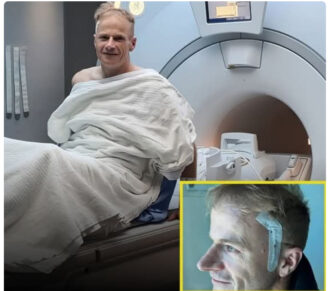
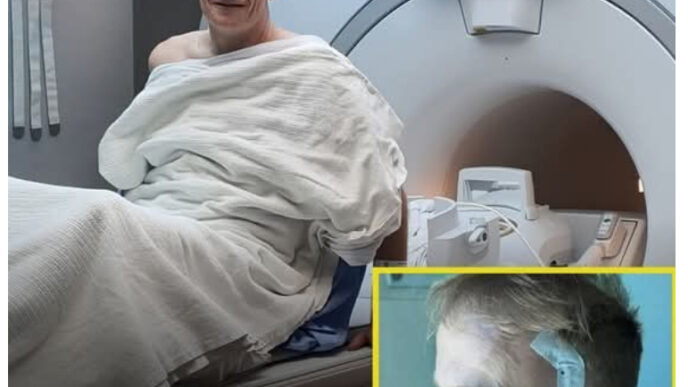
According to information released by NDTV Life Line, a new MRI-guided cryoablation system has been introduced in Sydney’s south-west, giving patients access to a less invasive treatment option.
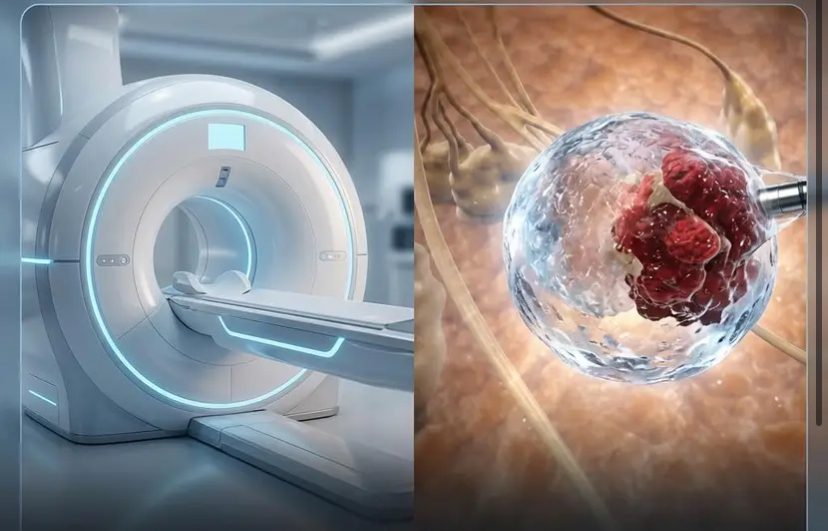
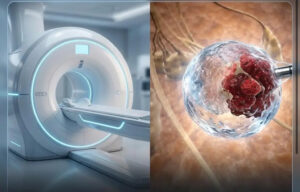
The advanced technology combines real-time MRI imaging with specialised freezing equipment. During the procedure, doctors insert a thin gas-powered probe directly into the tumour.
The probe rapidly cools and creates what specialists describe as a controlled ice ball.
That ice ball freezes and destroys abnormal cells while helping preserve surrounding healthy tissue.
Consequently, patients may avoid many of the risks associated with traditional surgery.
The treatment has attracted attention because it can be used for tumours located in sensitive areas of the body.
Hospital specialists said the system is the first of its kind in Australia.
Furthermore, it can be used to treat tumours found in the spine, liver, kidneys, and other soft tissues.
Real-time MRI images allow doctors to observe the treatment as it happens.
Therefore, adjustments can be made immediately to improve accuracy and safety.
The growing interest in MRI-guided cryoablation reflects a wider shift toward treatments that are both effective and less disruptive to patients’ lives.
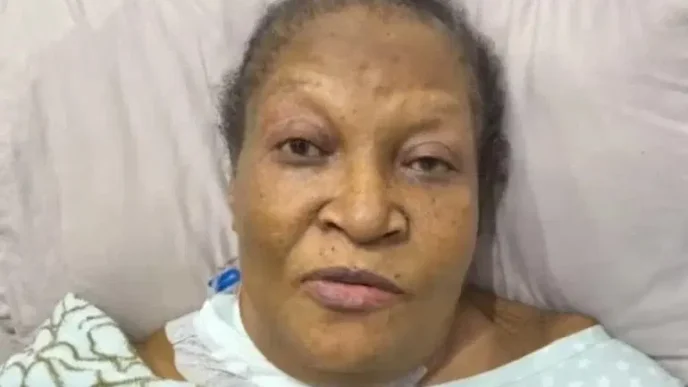
One of the earliest patients to benefit from the technology was 64-year-old grandmother Josephine Cordina from Sydney.
For years, she suffered severe pain caused by a small tumour located on her spine.
Simple daily activities became increasingly difficult.
Even sitting or lying down caused significant discomfort.
Initially, doctors discussed traditional spinal surgery as a treatment option.
That procedure would have required tumour removal and spinal stabilisation using metal supports.
However, Josephine was concerned about the recovery period and possible complications.
She ultimately chose cryoablation instead.
Her experience has become an example of how medical innovation can improve patient outcomes while reducing physical stress.
Meanwhile, healthcare officials believe the technology could help transform cancer treatment in Australia.
The system forms part of broader healthcare investments aimed at improving specialist services and patient care.
In addition, authorities expect future medical facilities to expand access to advanced treatments across the region.
Experts say procedures that use cold, heat, or focused energy are becoming increasingly important in cancer care.
These methods are often viewed as effective alternatives to open surgery in selected cases.
Moreover, they support the growing trend toward personalised treatment plans designed around individual patient needs.
While cryoablation may not replace surgery for every cancer patient, specialists believe it offers an important option for carefully selected cases.
The ability to see and treat a tumour simultaneously represents a significant medical advancement.
Therefore, many clinicians view the technology as a glimpse into the future of cancer treatment.
For patients facing difficult diagnoses, that future may now involve fewer incisions, less pain, and faster recovery.