


Landlords in Nigeria may face stricter rules on tenant identification as the Senate pushes for tougher tenancy laws to combat kidnapping, human trafficking and other crimes.
The proposed measures would require landlords to verify prospective tenants’ identities, including through their National Identification Numbers (NIN).
Lawmakers also want short-let apartments regulated to prevent criminals from hiding behind poorly monitored rental arrangements.
The Senate tenancy law proposal follows growing concerns about human trafficking, exploitation and security threats affecting Nigerians at home and abroad.
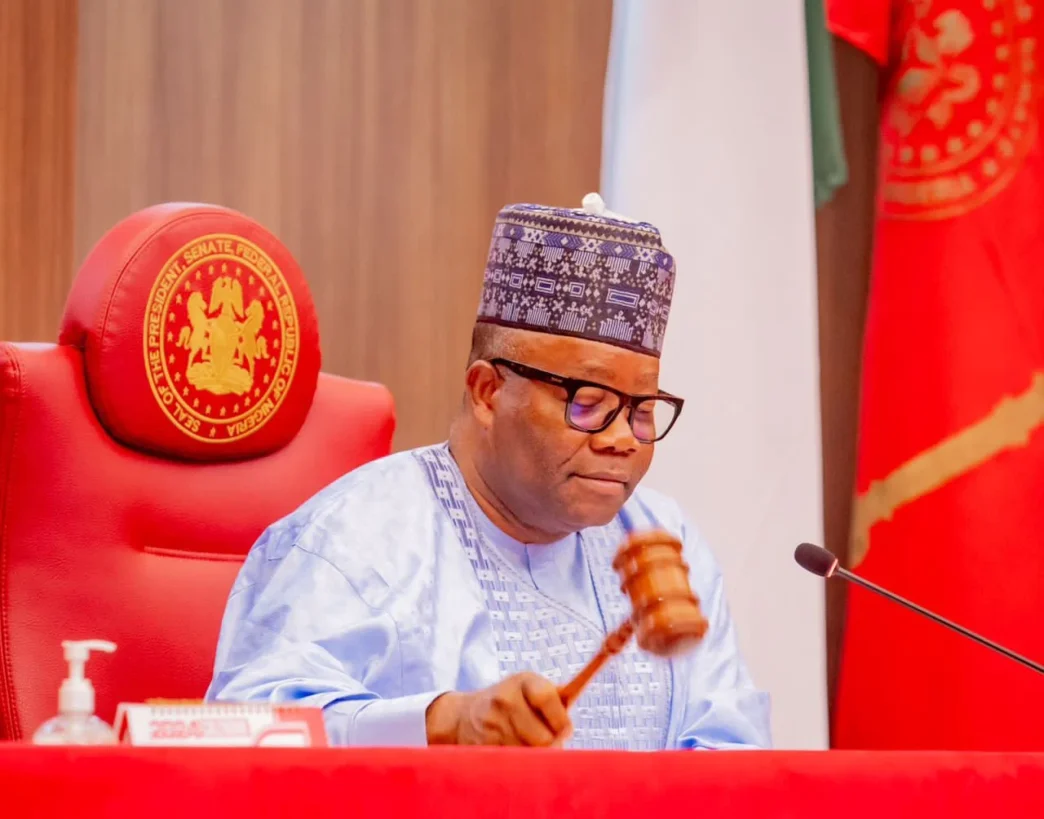
Senate President Godswill Akpabio called for a review of existing tenancy laws to ensure tenants can be properly identified and traced when necessary.
He warned that landlords who rent properties to unidentified individuals could unknowingly provide shelter for criminal activities.
The lawmakers also proposed new rules for short-let apartments, which they said criminals could exploit to conceal their identities and avoid detection.
Former Sokoto State Governor Aminu Tambuwal supported stronger tenancy regulations, saying he had initiated similar legislation while serving as Speaker of a State House of Assembly.
Tambuwal advocated tenant registration, rent control, security checks and proof of property ownership.
Beyond tenancy regulations, the Senate called for investigations into travel agencies allegedly involved in trafficking and exploiting Nigerians abroad.
The lawmakers directed the National Agency for the Prohibition of Trafficking in Persons (NAPTIP), the Nigeria Police Force, the Nigeria Immigration Service and the Economic and Financial Crimes Commission (EFCC) to investigate suspected trafficking networks.

The Ministry of Foreign Affairs and other relevant agencies were also asked to examine financial transactions, recruitment activities and travel arrangements linked to the allegations.
The resolutions followed consideration of a report on protecting Nigerians from trafficking, slavery and human rights abuses in Libya.
The Senate also called for stronger enforcement of anti-trafficking laws and increased funding for NAPTIP.
Additionally, lawmakers proposed a National Reintegration and Protection Programme to support returning victims and other vulnerable Nigerians.
The programme is expected to help victims rebuild their lives and access protection after experiencing exploitation.
However, the proposed measures would require appropriate legislative and implementation steps before becoming enforceable requirements nationwide.