


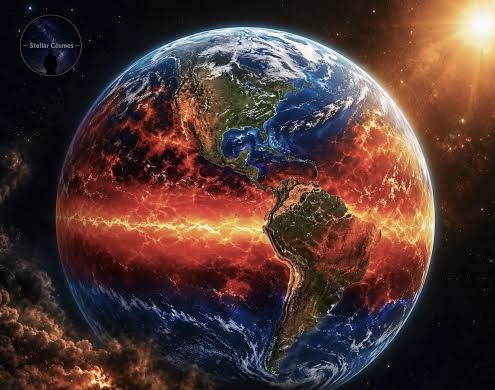
As concerns grow over a possible Super El Niño, Nigeria faces an important question: Are families and hospitals prepared for the health risks ahead?
Extreme heat, changing rainfall and possible drought could create serious challenges in vulnerable communities.
For Nigerians, the concern goes beyond the weather to include access to clean water, food and healthcare.
Although El Niño does not affect every region equally, its possible effects deserve attention.
Early preparation could help families and health facilities respond better to climate-related emergencies.
Extreme heat can increase the risk of dehydration, heat exhaustion and other heat-related illnesses.
Poor air quality and water shortages may also put vulnerable people at greater risk.
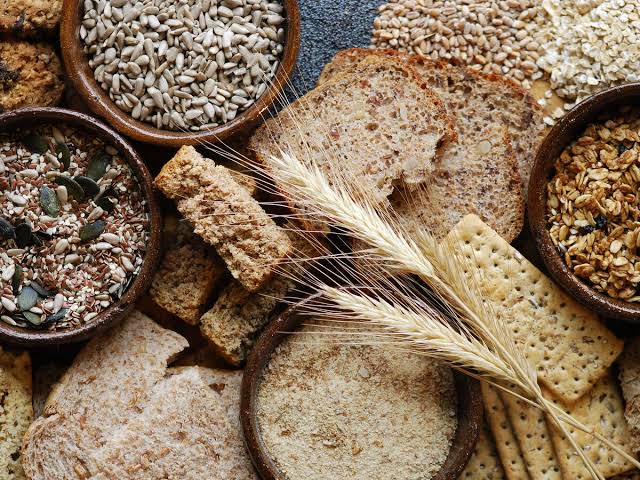
Changes in rainfall could affect farming, food supplies and access to safe drinking water.
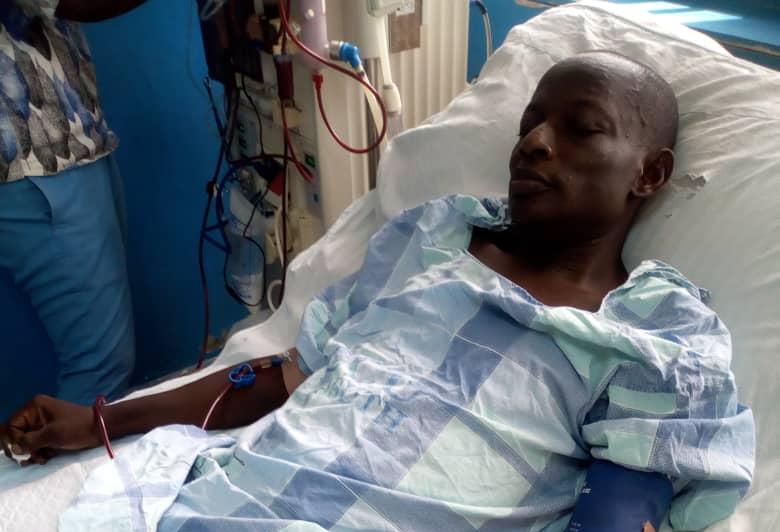
These challenges may increase pressure on healthcare facilities, especially where resources are already limited.
However, the actual impact of Super El Niño on Nigeria will depend on changing climate conditions and local risks.
Credible weather forecasts are therefore essential for planning.
Preparing early can help reduce the possible effects of extreme weather. Families, communities and government agencies all have roles to play.
Key steps include:
Prepare homes for extreme heat: Improve ventilation and identify cooler places to rest during very hot periods.
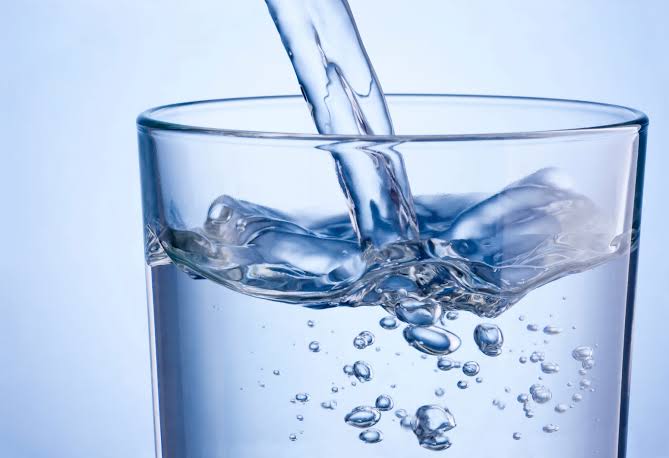
Prioritise safe drinking water: Store clean water safely and avoid dehydration.
Strengthen healthcare services: Equip health facilities and improve emergency response plans.
Protect food and water supplies: Prepare for possible disruptions caused by drought or changing rainfall.
Educate families: Help people recognise heat-related illnesses and understand when to seek medical attention.

Public awareness is especially important for children, older people, outdoor workers and those with existing health vulnerabilities.
Preparation should not create panic or spread unconfirmed claims. Instead, Nigeria needs reliable forecasts, clear public information and practical plans based on local conditions.
Government agencies should work with health professionals and emergency services to prepare communities before serious problems arise.
Families also need simple guidance on staying safe during periods of extreme heat.
However, a new report by the Climate Impact Lab has projected that Nigeria could record 31,400 additional deaths from extreme heat over the next six months as El Niño weather pattern intensifies.
Therefore, Nigerians deserve timely warnings, public awareness and action to reduce climate-related health risks.