



Kenya has confirmed its first Ebola case after a man who travelled from the Democratic Republic of Congo (DR Congo) died in Nairobi. The death has prompted health officials to trace people who may have come into contact with the patient during his journey.
Authorities are also examining how he passed through airport health screening before being diagnosed with the virus. Kenya’s Health Minister, Aden Duale, said the patient had lived in DR Congo for seven years.
He had reportedly been ill for about a month before travelling.
He travelled by road to Uganda’s capital, Kampala, before boarding a flight to Nairobi on Saturday. After arriving at Nairobi’s international airport, he passed through health screening, a relative later took him to Nairobi Hospital.
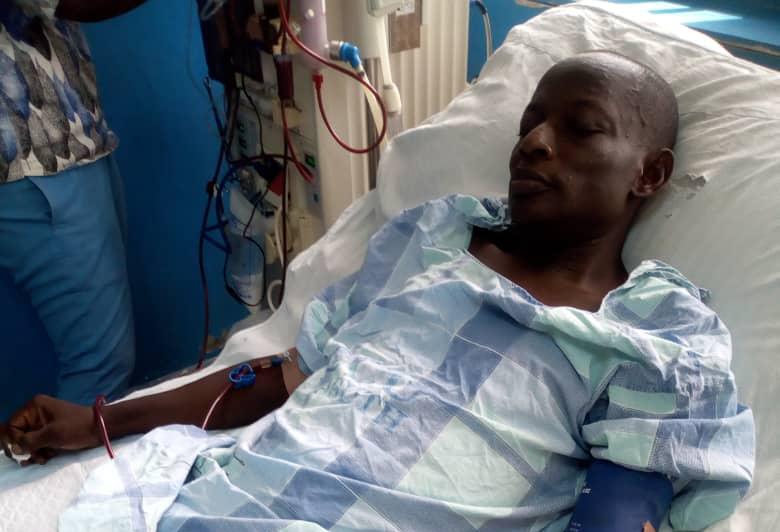
Doctors admitted him with fever, chills and bleeding beneath the skin; he was placed in isolation but died late Monday. Kenyan authorities have identified 28 contacts, including the patient’s family members and healthcare workers who treated him.
Officials are also trying to trace 23 passengers and four crew members from his flight, those considered at risk may be placed in quarantine and monitored.
The patient was buried under safety procedures designed to prevent further spread of the virus.


Kenya’s case is linked to the ongoing Ebola outbreak in eastern DR Congo, which has recorded more than 8,000 cases and 4,000 deaths. The outbreak is caused by the Bundibugyo strain of Ebola virus. Uganda previously reported cases but was declared Ebola-free in August.
Kenya’s health authorities are working with regional and international partners to manage the situation. The Africa Centres for Disease Control and Prevention said it was sending a high-level team to support the response.
The World Health Organization is also assisting Kenya and Uganda, It has advised against travel restrictions linked to the outbreak. Questions have emerged over airport screening because the patient was not identified before leaving the airport.
Kenyan officials suggested medication may have masked his symptoms during screening.