

The United States has launched a tougher economic campaign against Iran, calling the new sanctions an “economic D-Day.”
The move comes as Iran’s economy faces growing pressure and its currency reaches record lows against the US dollar.
Washington is now looking beyond Iran, putting pressure on countries that continue doing business with Tehran.
China has emerged as the biggest test for the new strategy. Beijing has remained a major buyer of Iranian oil despite previous US sanctions.
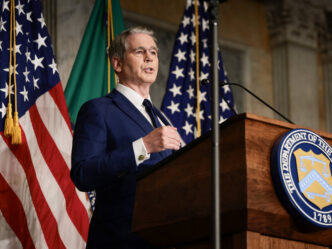
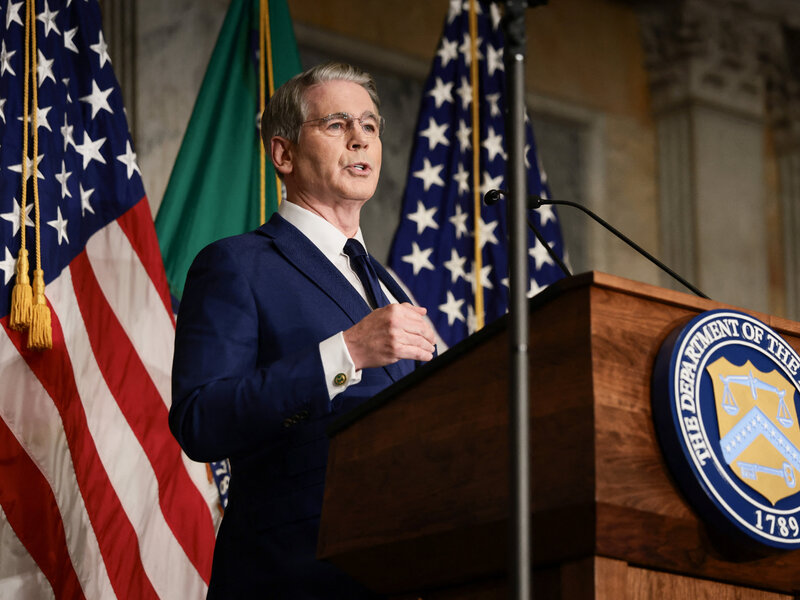
US Treasury Secretary Scott Bessent warned that American sanctions could reach countries supporting Iran.
“We want to make clear here today that no one is above the reach of U.S. sanctions,” Bessent said.
China has already rejected the new measures, calling them “illegal” and promising “all necessary measures” to protect its interests.
The response raises questions about whether Washington is willing to confront Beijing over its economic ties with Iran.
Other countries, including Russia, Turkey, Iraq, India and the United Arab Emirates, also maintain economic links with Tehran.
The United Arab Emirates recently announced a suspension of commercial and financial dealings with Iran “until further notice.”
Meanwhile, Iran’s economy is under severe strain, with the rial falling sharply and inflation increasing.
The International Monetary Fund and World Bank have also projected a contraction in Iran’s economy.
However, economic pressure may not force Tehran to surrender its regional and political ambitions.
Iran’s Revolutionary Guard remains influential, while Iranian-linked cyber activity has also raised concerns abroad.
The success of the US-Iran sanctions campaign could therefore depend heavily on how China and other trading partners respond.