


Nigeria’s fight against financial crime is set to take a new direction after the Nigeria Police Force and the Nigerian Financial Intelligence Unit (NFIU) agreed to deepen their partnership to trace criminal funds and dismantle organised crime networks.
The renewed collaboration comes as Nigeria prepares for the 2027 Mutual Evaluation, a major international assessment that will measure how effectively government agencies detect, investigate and prosecute money laundering and terrorism financing cases.
Officials said the strengthened partnership will focus on intelligence sharing, financial investigations and asset recovery. Moreover, authorities believe following the flow of money will expose criminal networks faster than traditional investigations alone.
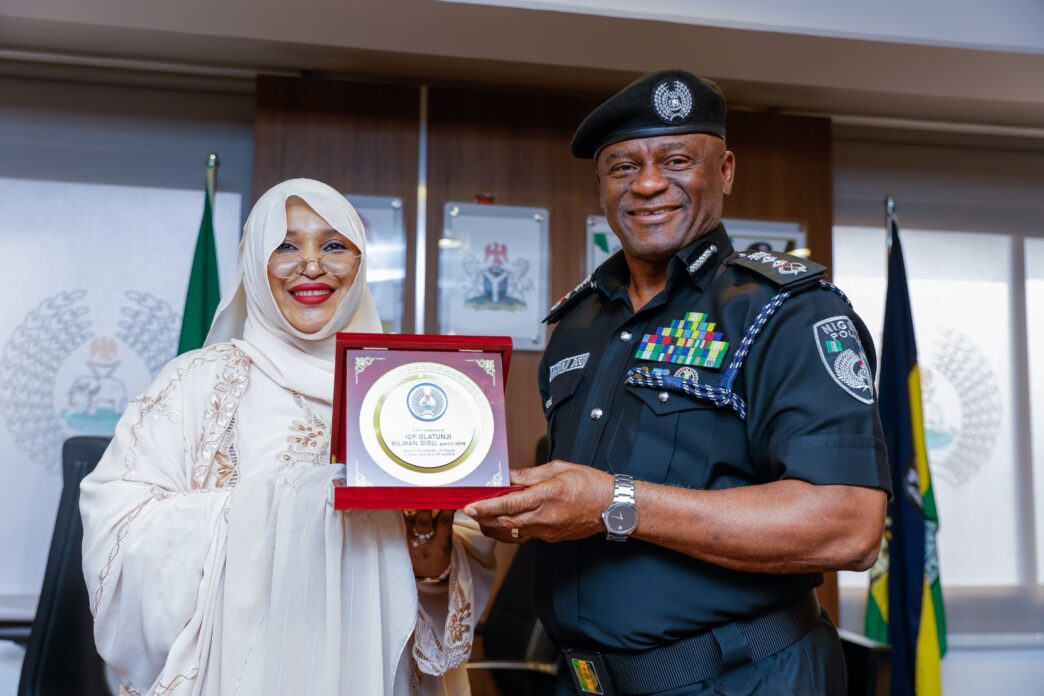
The agreement was reached during a courtesy visit by the management of the NFIU, led by its Chief Executive Officer, Hafsat Abubakar Bakari, to the Inspector General of Police, Kayode Egbetokun, represented at the Force Headquarters in Abuja.
Speaking during the meeting, Bakari described the visit as more than a routine engagement. Instead.
According to her, the Nigeria Police Force remains one of the NFIU’s most important partners in tackling financial crimes and disrupting the money that keeps criminal groups in operation.
She explained that financial intelligence has become one of the strongest tools available to investigators.
According to Bakari, tracking financial transactions can reveal those funding criminal activities even before physical evidence is found.
She said effective collaboration would ensure that criminals are not only arrested but also denied access to the financial resources used to sustain their operations.


Bakari also praised the police for supporting Nigeria’s engagement with the Financial Action Task Force (FATF).
She noted that the Force contributed to the country’s successful implementation of required reforms, which helped Nigeria secure its removal from the FATF grey list.
Furthermore, she disclosed that Nigeria is preparing for the third round of the Mutual Evaluation scheduled for 2027.
According to her, the assessment will measure how effectively institutions investigate financial crimes rather than simply reviewing existing laws.
She revealed that a recent stocktaking exercise was conducted across police commands after approval by the Inspector General of Police.
The review, she said, highlighted several institutional strengths. However, it also identified areas requiring further improvement.
These include stronger knowledge of money laundering investigations, terrorism financing, financial intelligence and asset recovery among officers nationwide.
Bakari stressed the importance of strengthening data collection, intelligence use and operational procedures.
She also called for improved systems for tracing, freezing and recovering criminal assets. She explained that following money transfers can expose the people behind organised crime and reveal those who benefit from illegal activities.
The NFIU boss assured the police that the agency remains committed to providing intelligence support, specialised training, operational assistance and cooperation with international partners.