


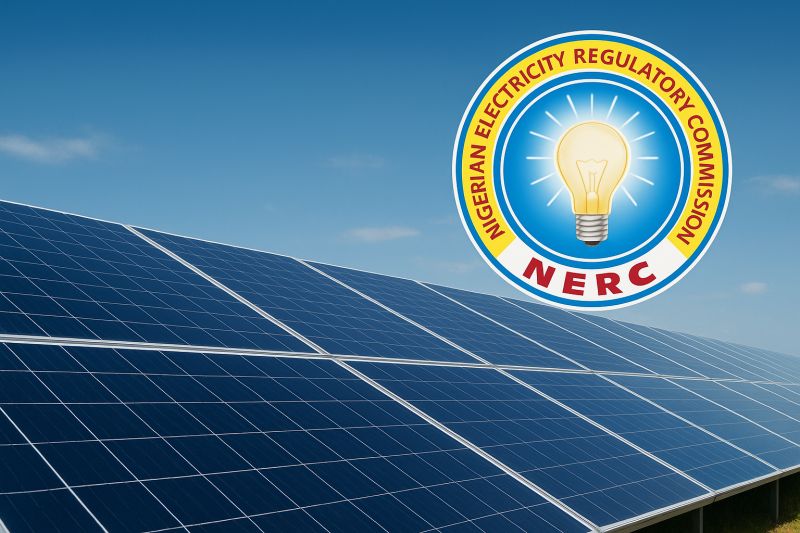
A major shift is taking place in Nigeria’s electricity sector, and it could change how some consumers use and manage power.
The Nigerian Electricity Regulatory Commission (NERC) has introduced the Net Billing Regulations 2026. The new framework allows qualified electricity users to generate their own power and sell excess electricity back to the grid through their distribution companies.
The move has attracted attention because it opens a new chapter for renewable energy users in Nigeria. For the first time, eligible consumers can become electricity producers while still remaining connected to the national grid.
Under the new arrangement, users with approved renewable energy systems can consume the electricity they generate and export any unused power to their DisCo. In return, they will receive credits under a regulated billing system.
Industry experts believe the policy could encourage greater investment in solar energy and other clean power solutions.
According to NERC, the initiative creates what is known as a “Prosumer.”
The commission explained that a prosumer is both a consumer and a producer of electricity.
The regulation means businesses and qualified users can generate electricity for their own operations while also supplying excess power back to the grid.
However, not everyone will qualify immediately.
The framework is currently designed for larger renewable energy installations rather than small household solar systems.
According to the guidelines, participants must already be connected to a distribution company network before they can apply.
Furthermore, their renewable energy system must have a minimum installed capacity of 50kWp and a maximum capacity of 1.5MWp.
In addition, approval must be obtained from the relevant distribution company.
Applicants are also required to sign a Net Billing Agreement and complete registration with NERC before participation can begin.
Meanwhile, approved participants will receive special bidirectional meters.
These meters will track electricity imported from the grid as well as electricity exported back to the network.
Therefore, power usage and power supplied can be measured accurately under the new billing structure.
According to the announcement:
“YOU CAN NOW OFFICIALLY GENERATE ELECTRICITY FOR YOURSELF, USE WHAT YOU NEED, AND SELL EXCESS ELECTRICITY BACK TO THE GRID THROUGH YOUR DISCO.”
The statement further explained:
“In simple terms, if your solar system generates more electricity than you consume, you can now send the extra power back to your DisCo and receive credits under a regulated billing arrangement.”
Furthermore, officials believe the framework could support Nigeria’s transition toward cleaner energy sources.
The policy may also encourage businesses to invest in larger solar projects capable of supporting both private consumption and grid supply.
Meanwhile, stakeholders are expected to monitor implementation closely as more details emerge regarding participation and operational requirements.