

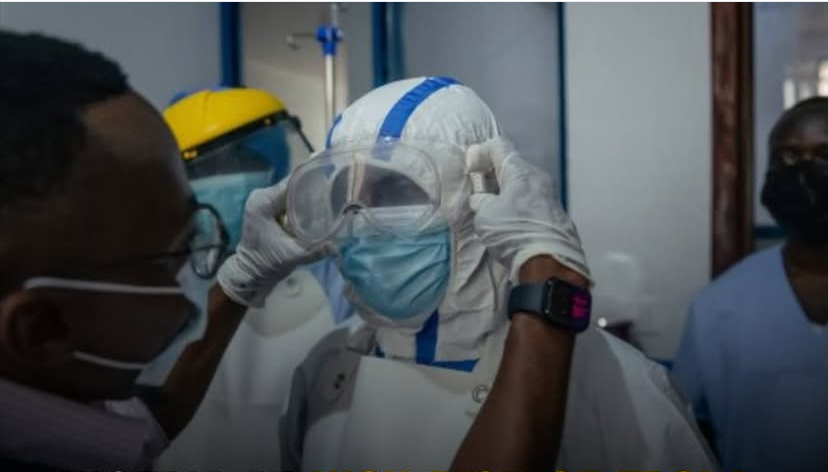
Nigerians are on alert after the NCDC revealed that the country faces a high risk of Ebola importation.
The warning follows growing Ebola outbreaks in the Democratic Republic of Congo and Uganda, raising concerns across Africa.
Although Nigeria has not recorded any confirmed case, health authorities said increasing international travel and cross-border movement remain major concerns.
Meanwhile, the NCDC assured citizens that emergency response systems have already been activated across several states.
The agency explained that the current situation demands urgent vigilance from health workers, border officials, and the general public.
According to the NCDC Director-General, Jide Idris, Nigeria remains vulnerable because of constant movement between African countries.
“This assessment estimated the risk of Ebola importation into Nigeria as high due to the ongoing transmission in the DRC and Uganda, international travel and population movement, uncertainty regarding the full magnitude of the outbreak, and the potential for delayed recognition because symptoms may overlap with endemic diseases such as malaria and Lassa fever,” Idris said.
Furthermore, the NCDC revealed that some Nigerian states face greater danger because of busy transport routes and international entry points.
Authorities also disclosed that response measures have already been strengthened across the country.
In addition, surveillance activities and emergency monitoring systems are currently active in several locations.
The agency said health officials in affected African countries are already carrying out contact tracing and public awareness campaigns.
Testing and infection prevention measures are also ongoing to contain further spread of the virus.
“However, we are aware of the ongoing Ebola outbreak in the Democratic Republic of the Congo (DRC) and recent reports of a confirmed imported case in Uganda linked to the outbreak in DRC,” the agency stated.
Meanwhile, the NCDC stressed that Nigeria has stronger emergency preparedness systems compared to previous years.
According to the agency, laboratories at international entry points remain on standby for possible testing operations.
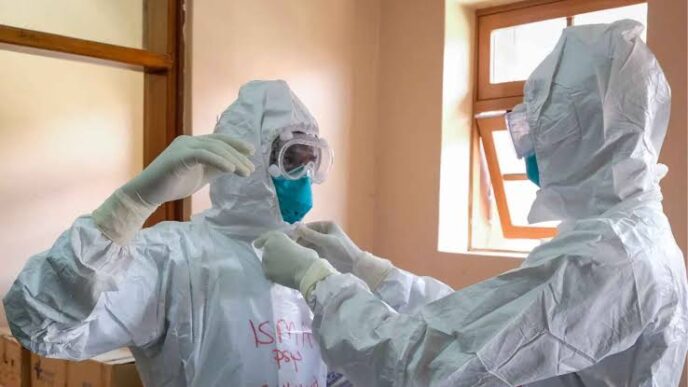
Rapid response teams and epidemiologists have also reportedly been placed on alert nationwide.
“It also must be noted that Nigeria maintains important response capacities, including laboratory capability, trained rapid response teams, functional emergency operations centers (EOCs), established Viral haemorrhagic fever preparedness structures, and prior experience in successfully responding to Ebola and other viral haemorrhagic fever outbreaks,” the NCDC added.
Furthermore, the agency assured Nigerians that emergency health teams can be deployed immediately if any suspected case emerges.
“It added that ‘Epidemiologists and rapid response teams (RRTs) are also on alert for rapid deployment to any affected state, if required,’ while laboratories in states with international entry points remain on standby to support testing and response efforts.”
They also advised residents to report unusual symptoms quickly and avoid spreading false information online.