


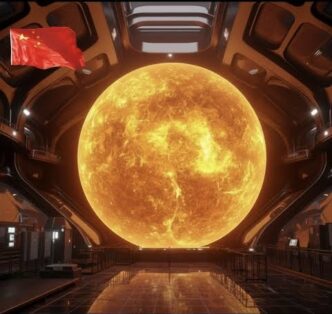
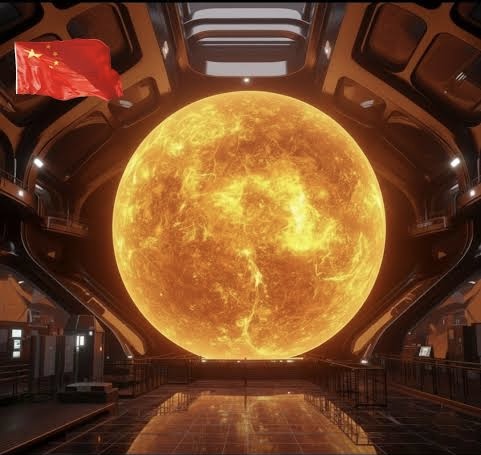
China has taken another surprising step in the global energy race after its “artificial sun” reactor achieved a fresh breakthrough in nuclear fusion research.
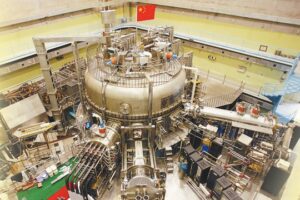
The experimental reactor, known as EAST, successfully maintained extremely high plasma temperatures for longer periods during recent operations.
Scientists described the result as a major requirement in the push for commercial fusion power. Moreover, the achievement has strengthened China’s position among leading nations working on next-generation clean energy technology.
Many researchers now see fusion energy as one of the strongest possible answers to climate change and rising energy demand.
Furthermore, the latest success came at a time when countries are searching for cleaner alternatives to fossil fuels.
The reactor, officially called the Experimental Advanced Superconducting Tokamak, was built to recreate the same nuclear fusion process that powers the sun.
Unlike traditional nuclear plants, fusion combines light atomic particles instead of splitting atoms apart.
According to Chinese scientists, the reactor reached very high plasma temperatures while remaining stable during operations.
That stability is considered one of the biggest challenges in fusion research worldwide. However, researchers admitted that several engineering and financial barriers still exist before fusion power becomes commercially available.
In addition, the system may help reduce global dependence on oil, coal, and gas.
Fusion creates energy by combining hydrogen atoms under intense heat and pressure. Consequently, the process is viewed as cleaner and safer for long-term use.
China has invested heavily in advanced science projects over recent years. Meanwhile, nations including the United States, France, Japan and the United Kingdom are also racing to develop working fusion systems.
The EAST reactor is linked to wider global research efforts connected to the ITER programme in France, which remains the world’s largest fusion experiment.
Scientists believe practical fusion energy could eventually transform industries, homes and transportation systems worldwide.
The artificial sun project has also increased discussions around energy independence and global competition in technology.
Despite the excitement, researchers continue to urge caution. They stressed that fusion technology still requires years of testing and improvement before reaching ordinary consumers.