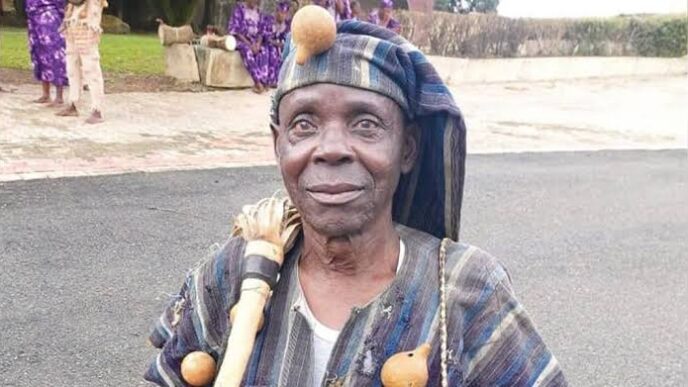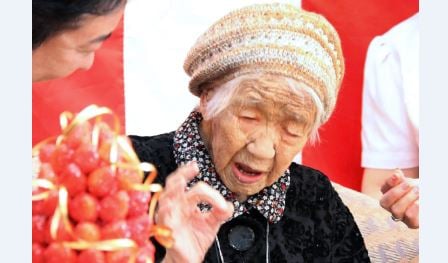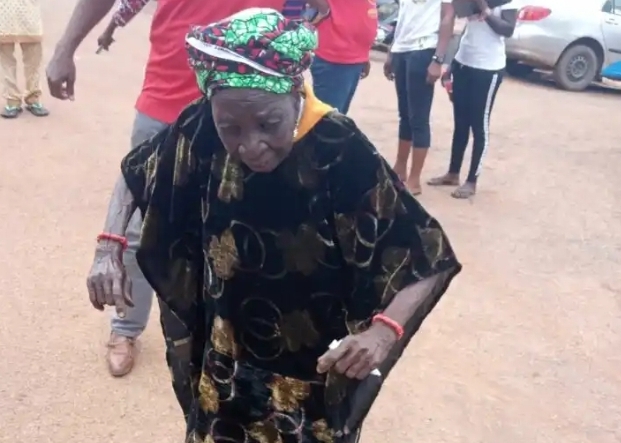


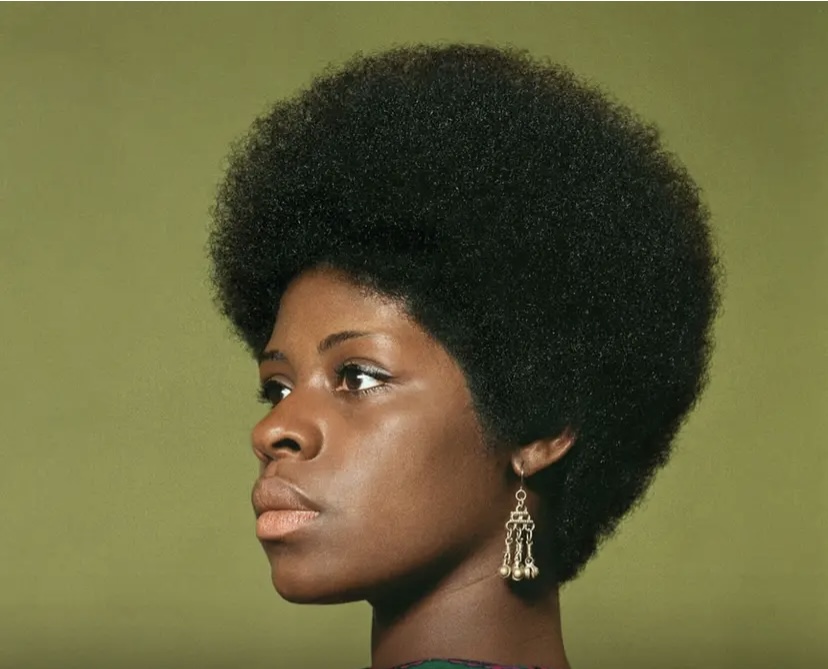
A powerful message is gaining attention across social media and global conversations, as voices continue to challenge long-standing beauty norms.
At the center of this shift is a striking declaration: “I don’t match your beauty standards because I am the standard.”
For years, beauty standards were shaped by Western ideals that often excluded diverse features. However, that narrative is now being questioned more openly than ever.
Moreover, many are beginning to recognize that these standards were not natural but carefully shaped over time through media and cultural influence.
Historically, features such as lighter skin tones and straight hair were often promoted as the ideal. Meanwhile, natural Black features were overlooked or undervalued. This imbalance was not accidental; it was reinforced through advertising, film, and fashion industries.
However, a shift is clearly underway. The Black beauty movement has continued to gain strength, encouraging individuals to embrace their natural identity.
In addition, cultural pride has been restored through storytelling, art, and global advocacy.
Across Africa and beyond, beauty has always carried deeper meaning. It has been seen as a reflection of heritage, strength, and individuality.
Furthermore, historical records show that African societies celebrated diverse features without restriction.
Influential figures have also played a key role in this transformation. Lupita Nyong’o, for example, has consistently spoken about self-acceptance and representation.
Moreover, movements like “Black is Beautiful” have amplified these messages, reaching audiences worldwide.
Meanwhile, conversations around representation in media continue to grow. More brands are being called upon to reflect real diversity. Therefore, inclusive storytelling is now seen as essential rather than optional.
Experts argue that redefining Black beauty standards is not just about appearance. It is about reclaiming identity and breaking long-held stereotypes.