

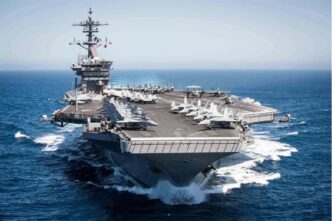
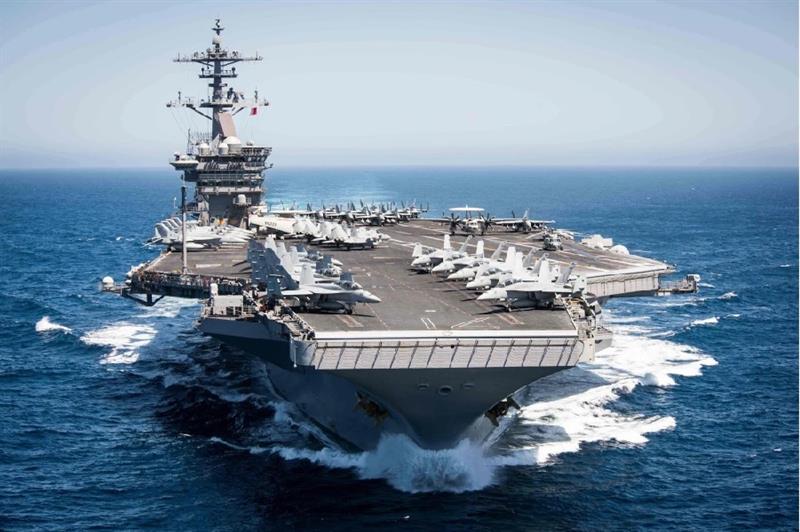
The United States has begun deploying an amphibious assault ship to the Middle East. Thousands of Marines and sailors are also being sent as tensions with Iran continue to rise.
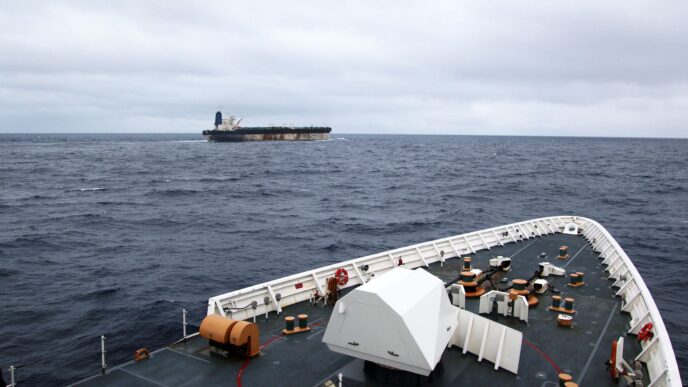
Officials confirmed that troops are being transported aboard a large naval vessel. However, the exact purpose of the mission has not been publicly disclosed. The sudden deployment has raised fresh concerns about a possible escalation.
In addition, earlier discussions in Washington had hinted at possible actions in the region. These included plans to reopen the Strait of Hormuz.
Energy markets have reacted sharply to the crisis. Brent crude prices have climbed close to $110 per barrel. Moreover, fears of prolonged disruption continue to drive volatility. Investors remain cautious as the situation unfolds.
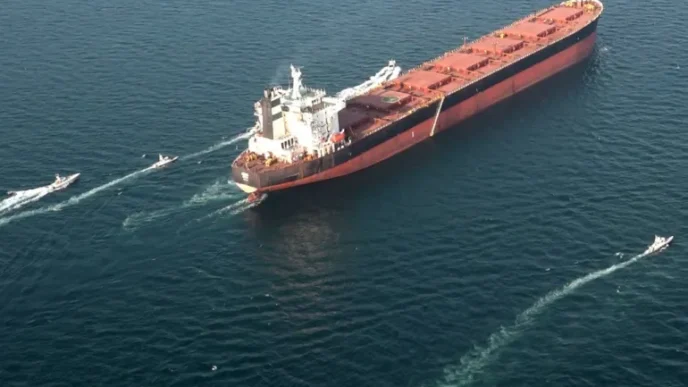
The closure of the Strait of Hormuz has added pressure. This route handles a large share of the world’s oil shipments.
Meanwhile, U.S. President Donald Trump has voiced frustration over the response from allied nations. He criticised countries that declined to support efforts to reopen the waterway.
He warned that their actions would not be forgotten. However, he also suggested that the U.S. could act independently if necessary. This statement has further heightened tensions.
On the other side, Iran has responded with strong messaging. The country’s new supreme leader, Mojtaba Khamenei, urged citizens to stay united. He called for resistance during a message marking Nowruz. This is the Persian New Year, widely celebrated across Iran.
Meanwhile, major religious celebrations such as Eid al-Fitr are still being observed. Although no direct confrontation has been confirmed, tensions remain high. Therefore, global leaders are closely monitoring developments.